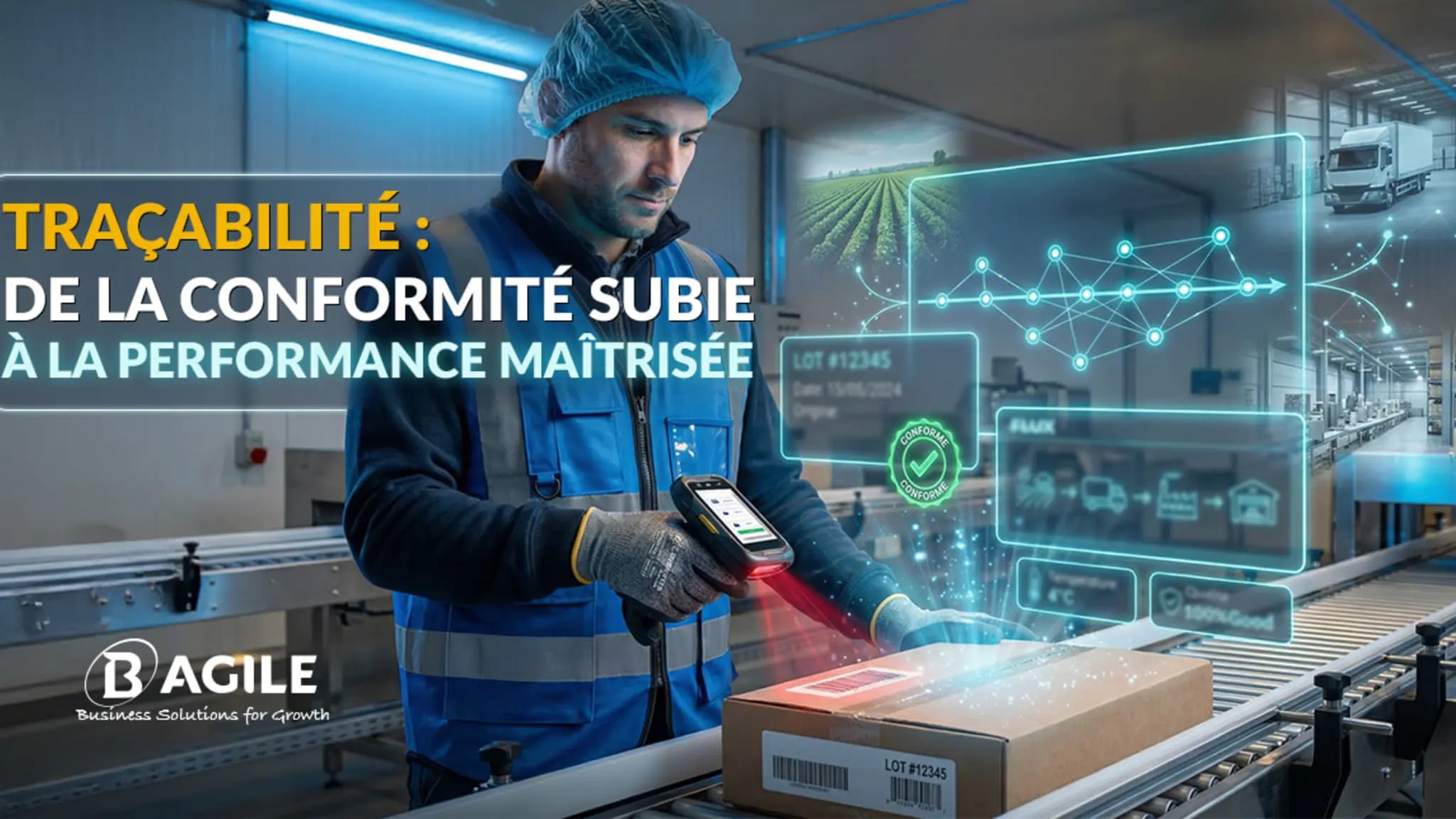
Why has traceability become the number-one issue?
Applicable frameworks may require precise traceability and investigation timeframes. Exact requirements depend on the products, markets and responsibilities involved and must be verified for each context.
A failing system can widen a recall and slow investigation. A well-scoped digital system can help narrow the affected scope faster; the actual improvement must be measured.
The failure of traditional methods
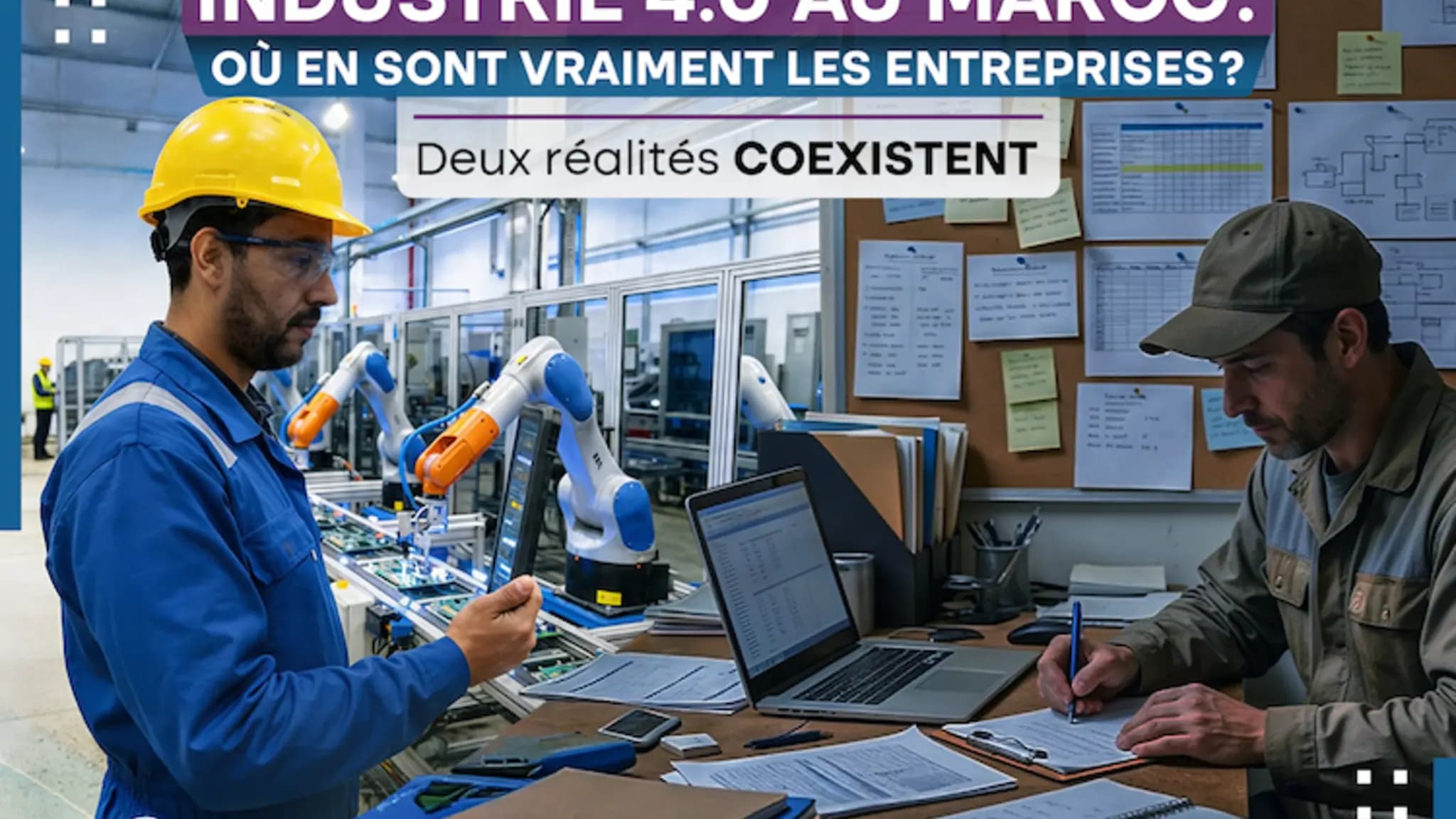
Many factories still operate with manual systems: archived paper labels and manual spreadsheet entries. As well as being time-consuming, this approach represents a major risk.
- Human error: manual entries are a source of inaccuracies.
- Critical slowness: retrieving the history of a lot can take days, when regulations require hours.
- Opacity: obtaining real-time visibility into the production chain is impossible.
Aspect
Manual System
Integrated Digital System
Data capture
Paper, delayed manual entry
Guided or automated capture according to validated equipment and interfaces
Accuracy
Prone to error
To be measured across the deployed scope
Responsiveness (recall)
Days, or even weeks
Time to be measured according to available data and procedures
Visibility
None after archiving
Dashboards based on the frequency of captured events
The solution: integrated, agile digital traceability
The transformation requires a unified, seamless system that connects every stage. This is not about adding an administrative layer, but about creating a digital backbone for the workshop.
1. Automated, reliable data capture
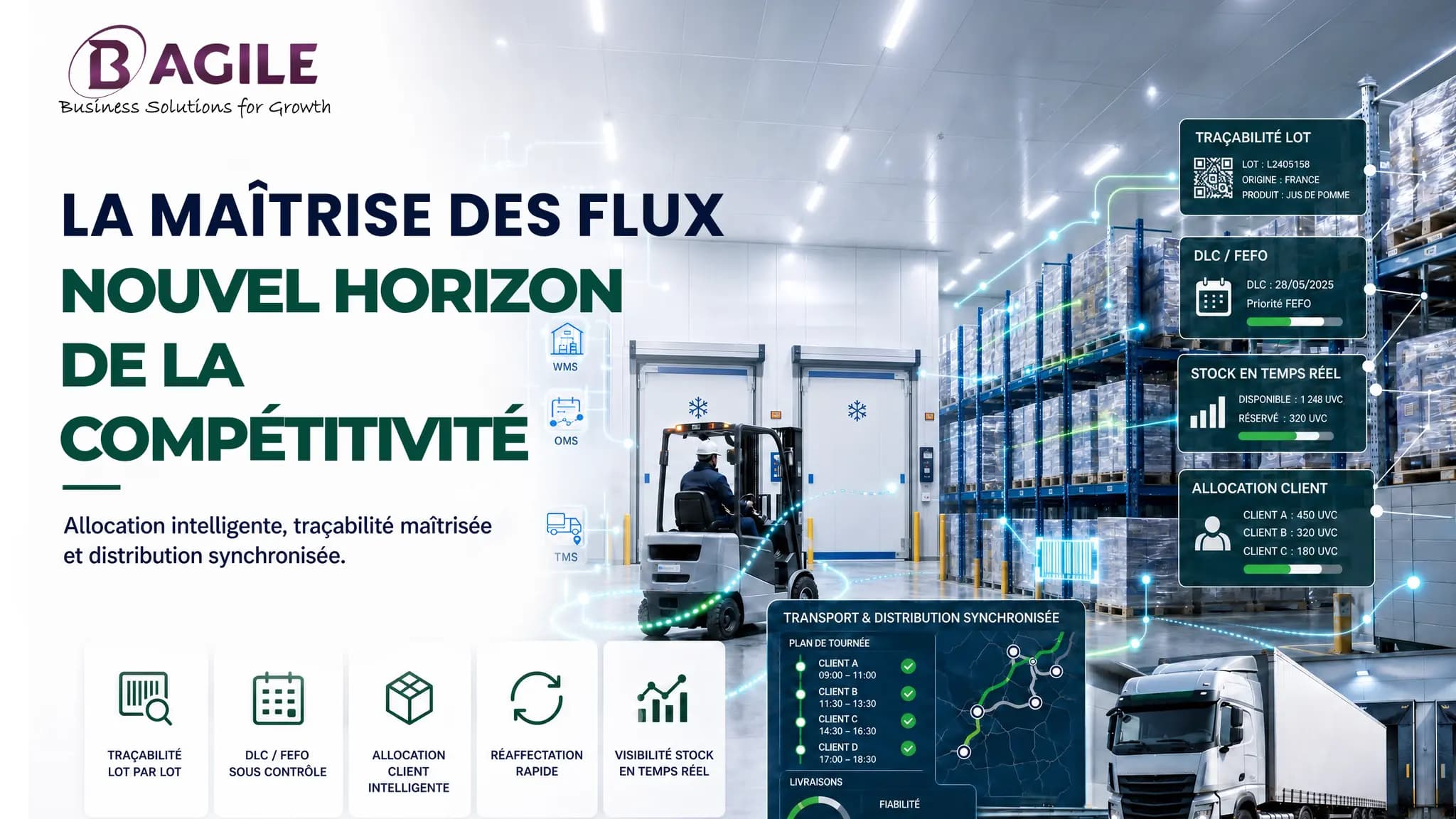
Data can be captured at source by scanning, mobile terminal or sensor when those devices are present, correctly configured and used. Each event remains tied to the data actually recorded.
2. Intelligent centralisation and visualisation
Authorised data can converge into a shared view. Quality and production teams can then consult statuses, alerts and history according to available rights, frequency and scope.
3. Enhanced operational agility
This precise traceability goes beyond mere compliance. It makes it possible to:
- Better scope costs: connect batches and events to avoid unnecessarily widening an investigation.
- Support quality: more quickly connect a nonconformity with its source data when available.
- Reduce some re-entry: when field capture and interfaces have been validated.
How does B-AGILE support you through this transformation?
At B-AGILE, we do not merely supply software. As a technology partner to supply-chain and industrial organisations, we co-create sustainable solutions with you.
Our approach connects industrial ERP and shop-floor execution according to the selected scope, validated interfaces and agreed responsibilities.
The result?
Traceability designed to support investigation, decisions and evidence, with effects to be observed in each context.