
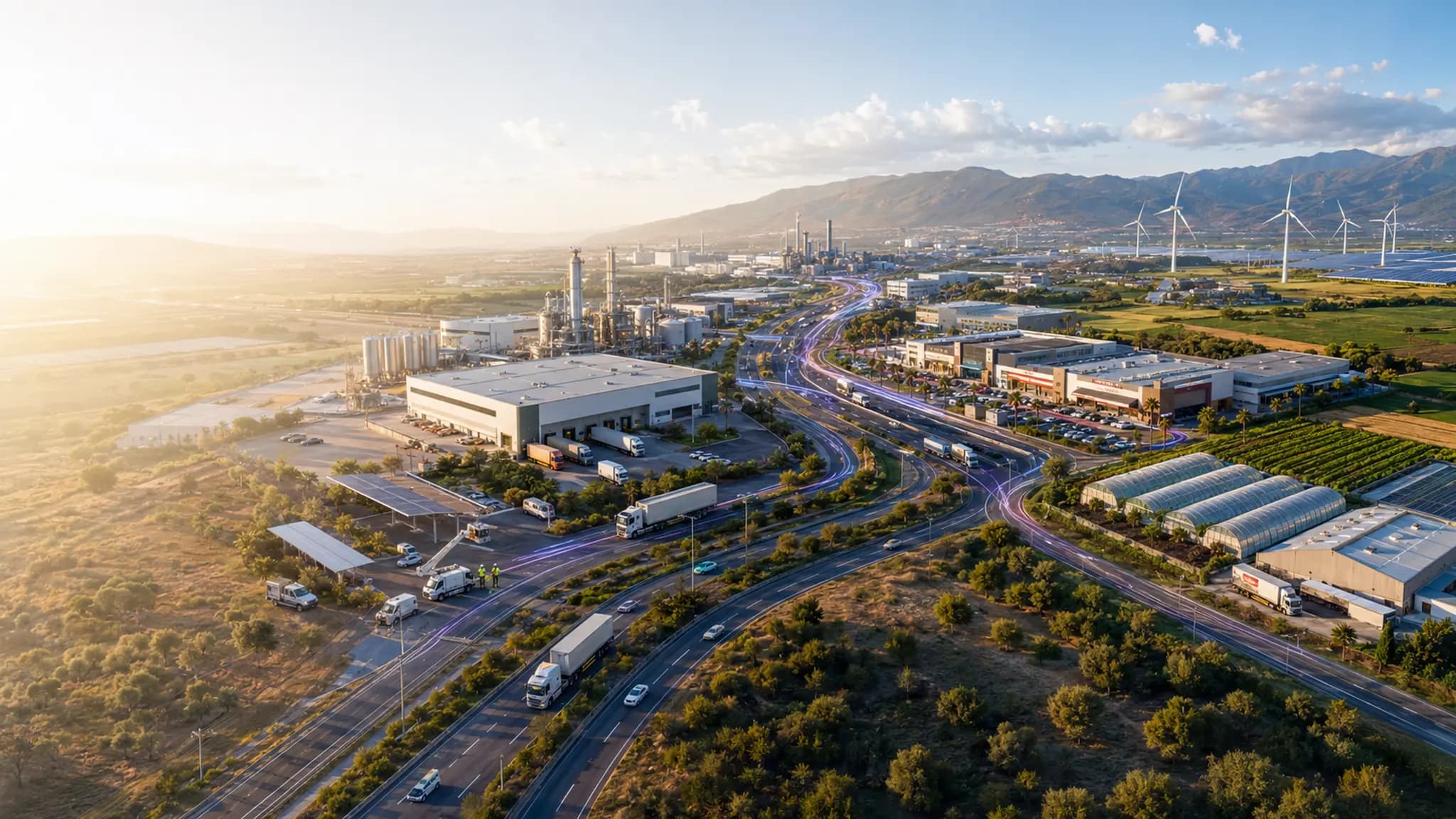
Your operations
have a context.
Our solutions must
understand it.
Every industry has its constraints, priorities and pace. Explore your context before composing the operational response.
Explore your industry
Journeys designed around real operational constraints.
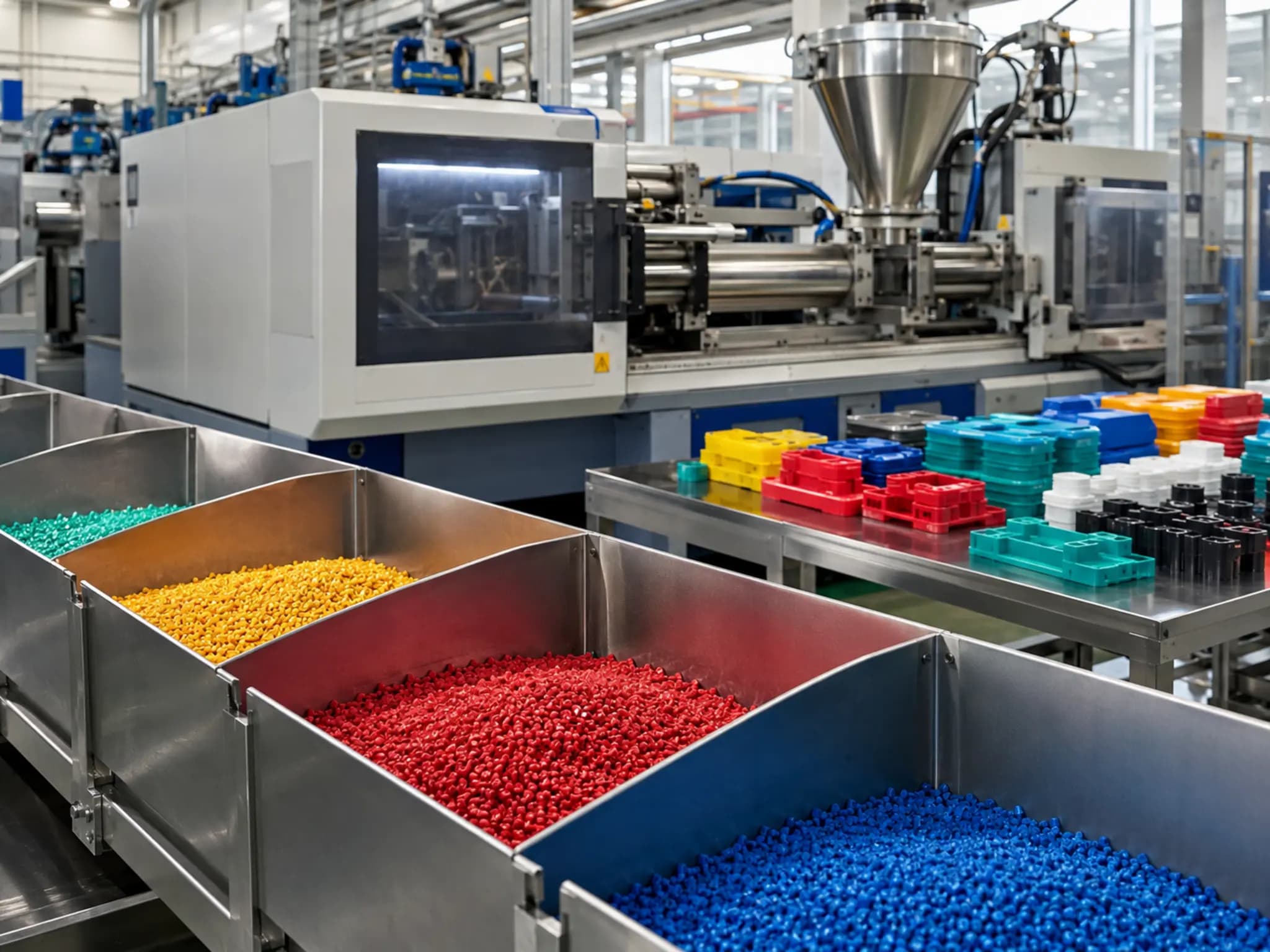
Plastics manufacturing
Connect resins, tooling, throughput, quality and yield.

Automotive
Keep sequences, serials, quality and delivery windows.
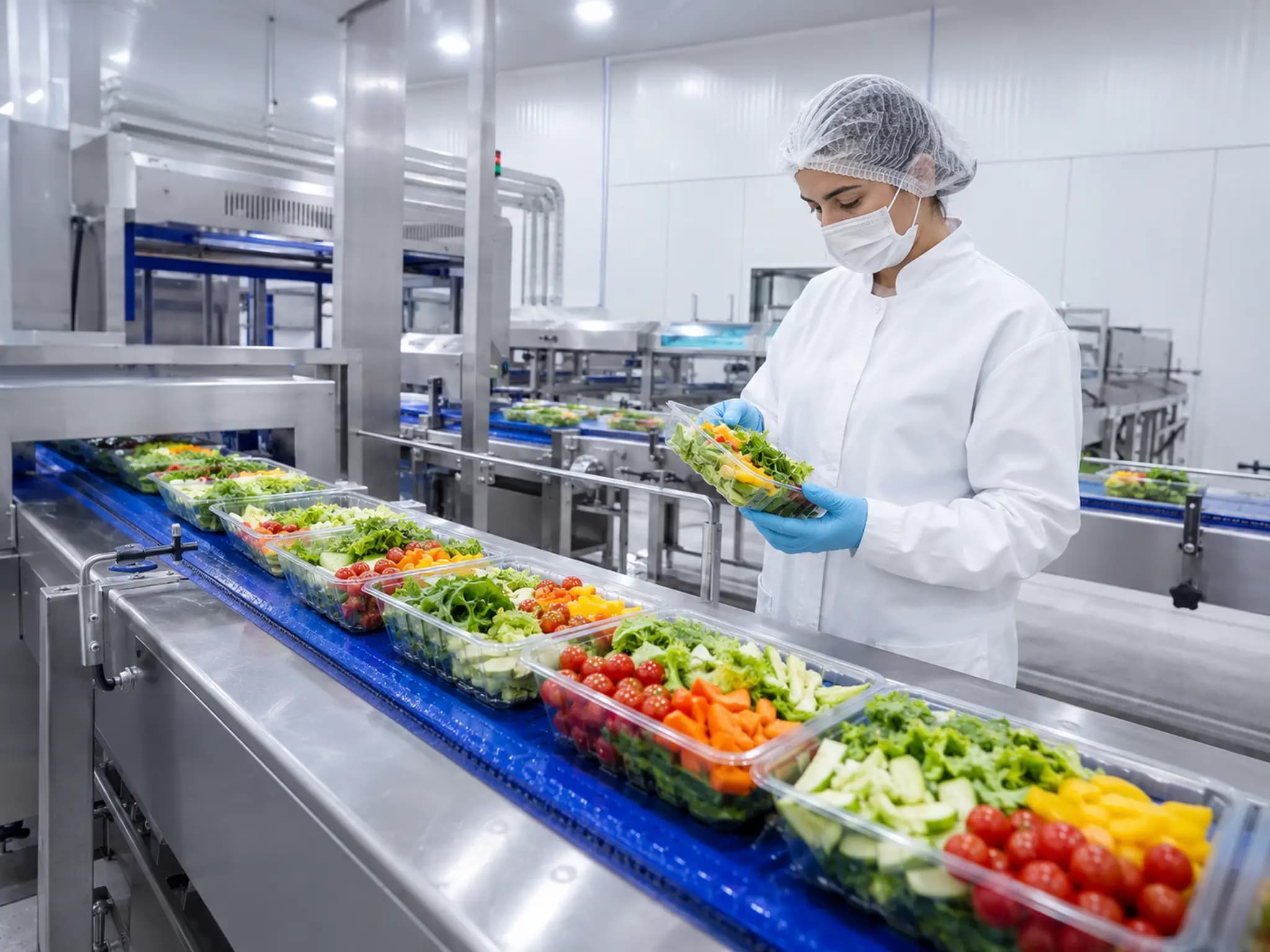
Food & beverage
Structure traceability, quality and shelf-life control.

Textile
Manage collections, variants, workshops and availability.

Construction
Coordinate sites, materials, equipment and costs.

Pharmaceutical
Control batches, statuses, conditions and evidence.
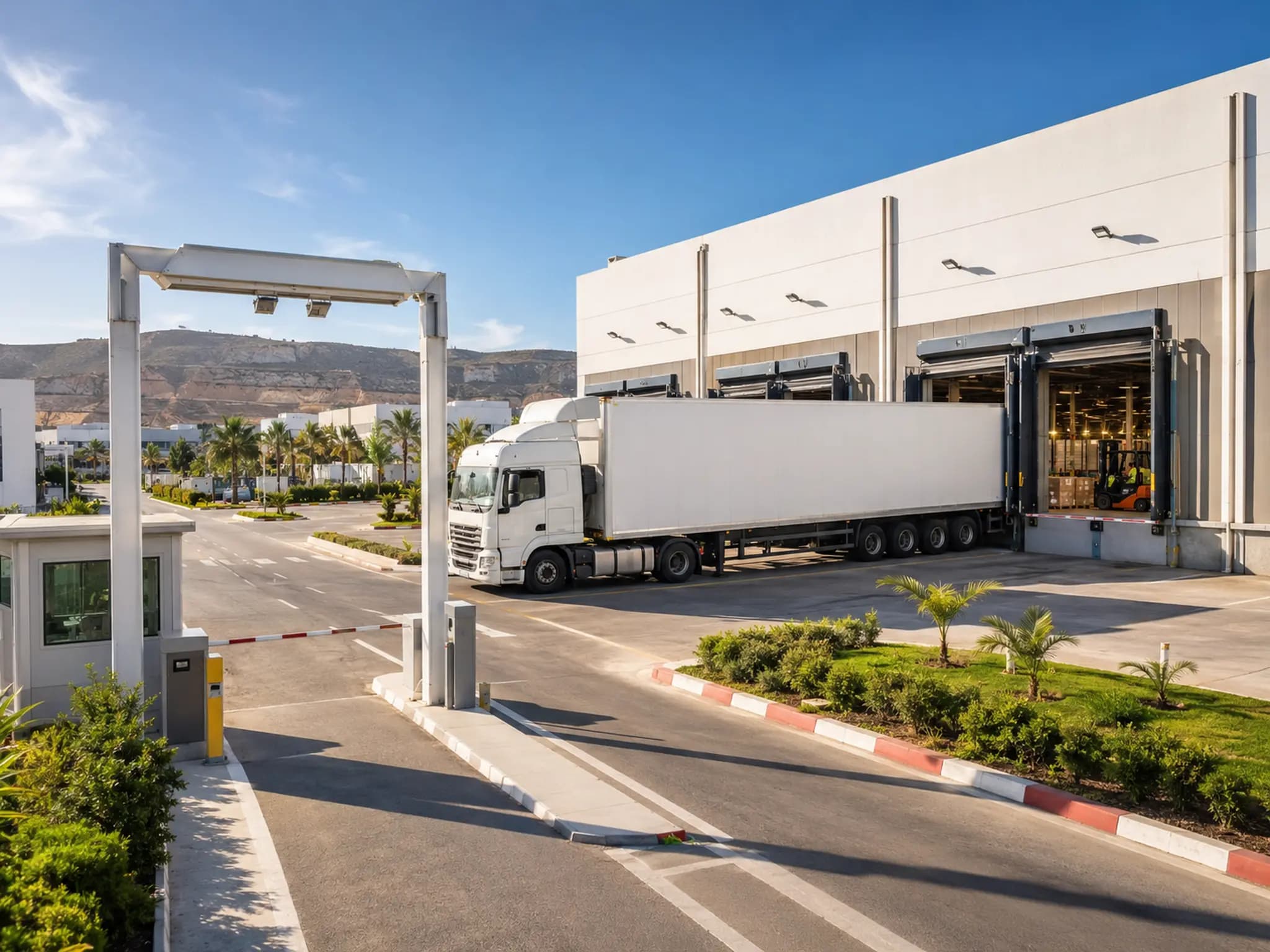
Transport & logistics
Control flows, lead times, delivery evidence and costs.
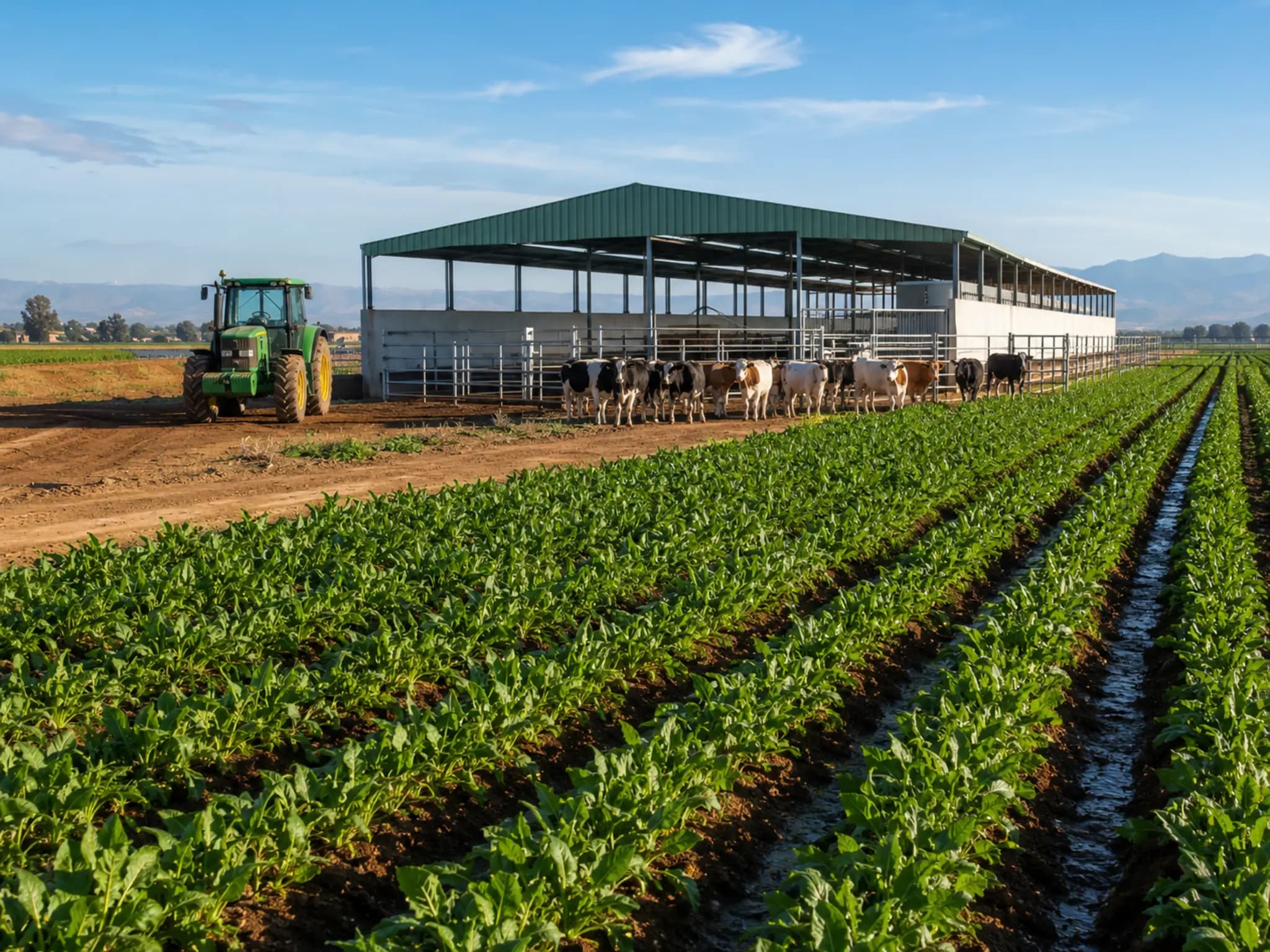
Agriculture & livestock
Connect fields, livestock, resources, harvests and batches.

Services
Improve assets, interventions and service commitments.
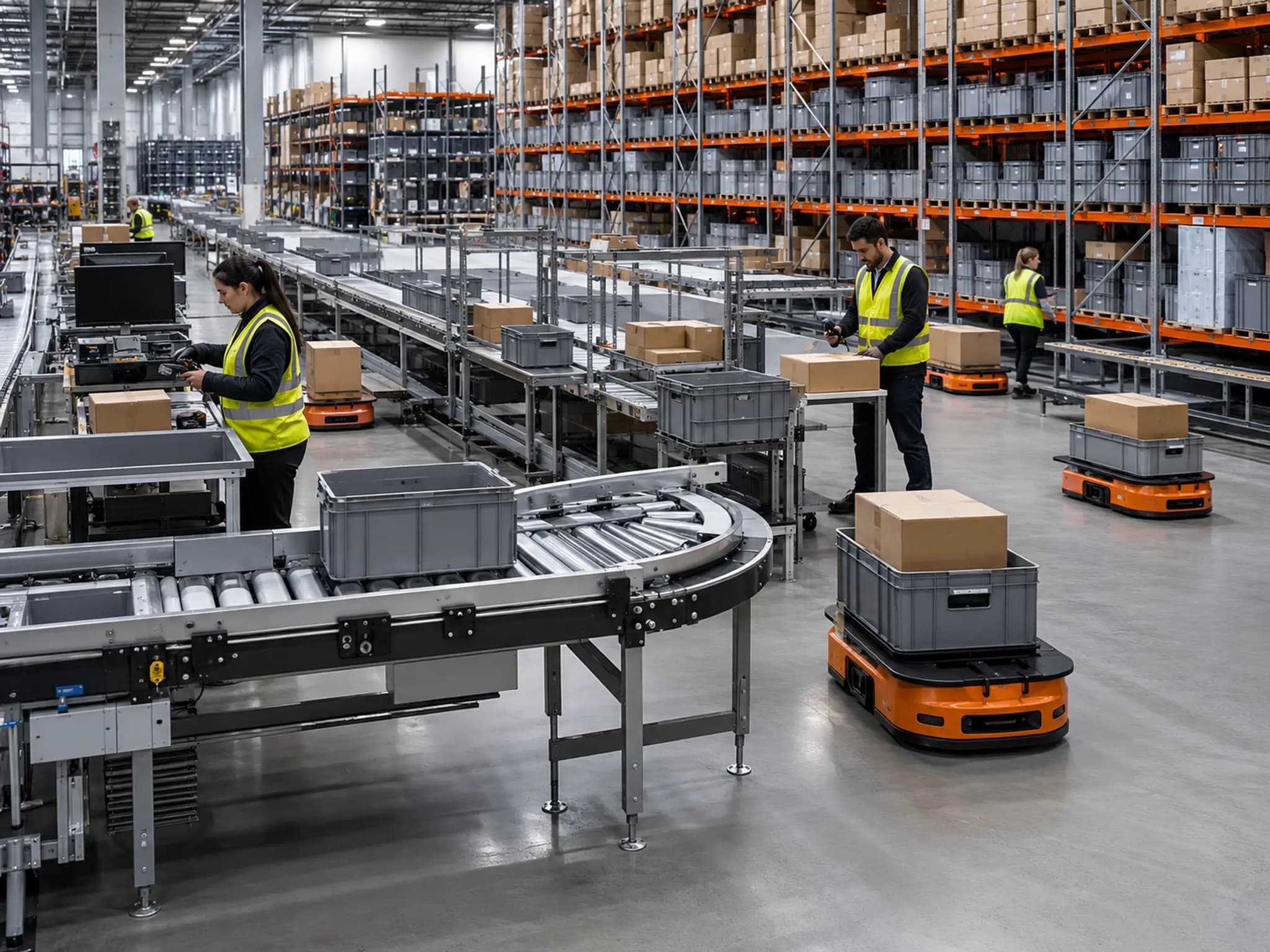
Commerce & distribution
Connect orders, inventory, execution and customer promise.
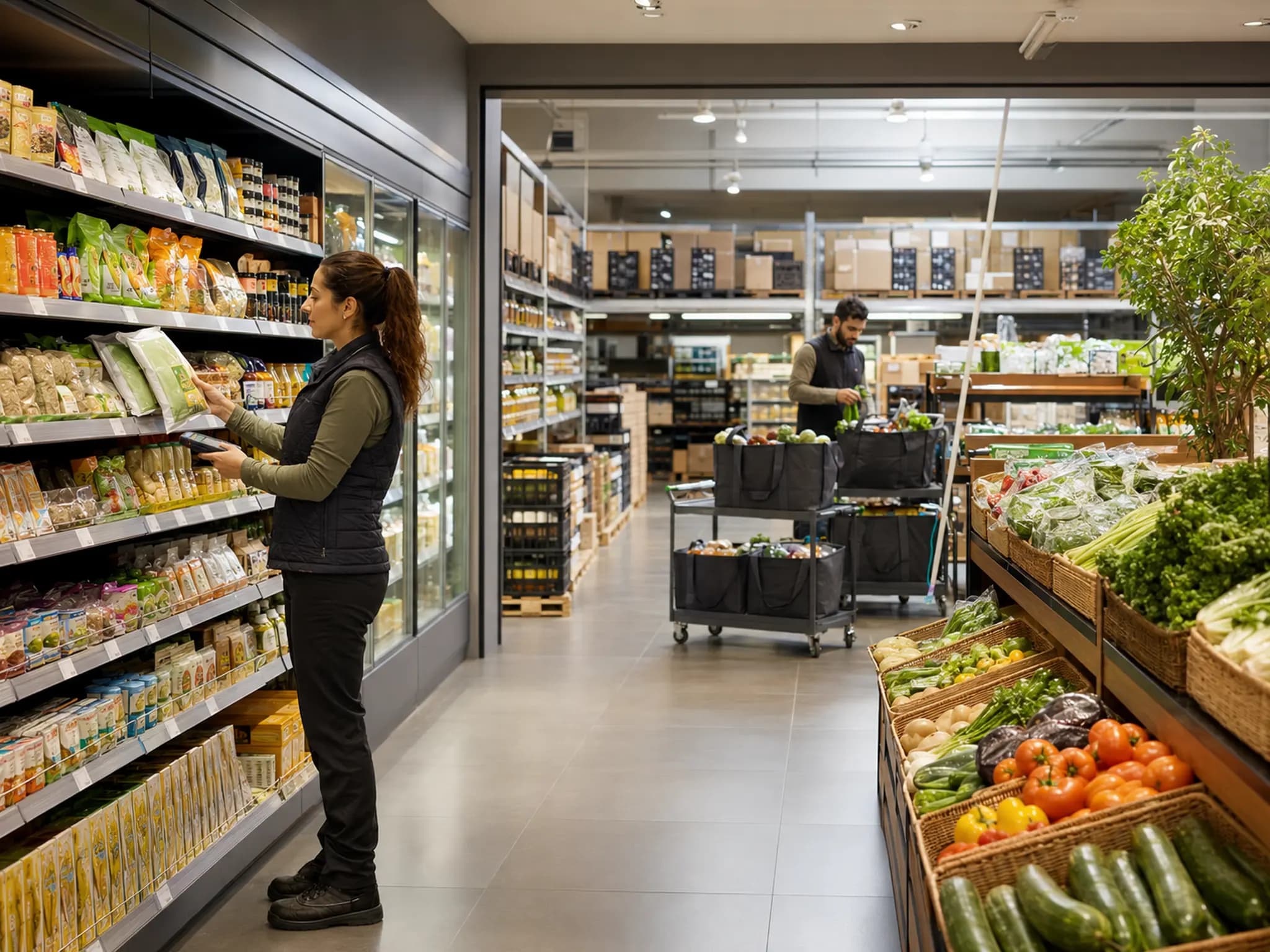
Retail
Synchronise stores, inventory, orders and customer experience.
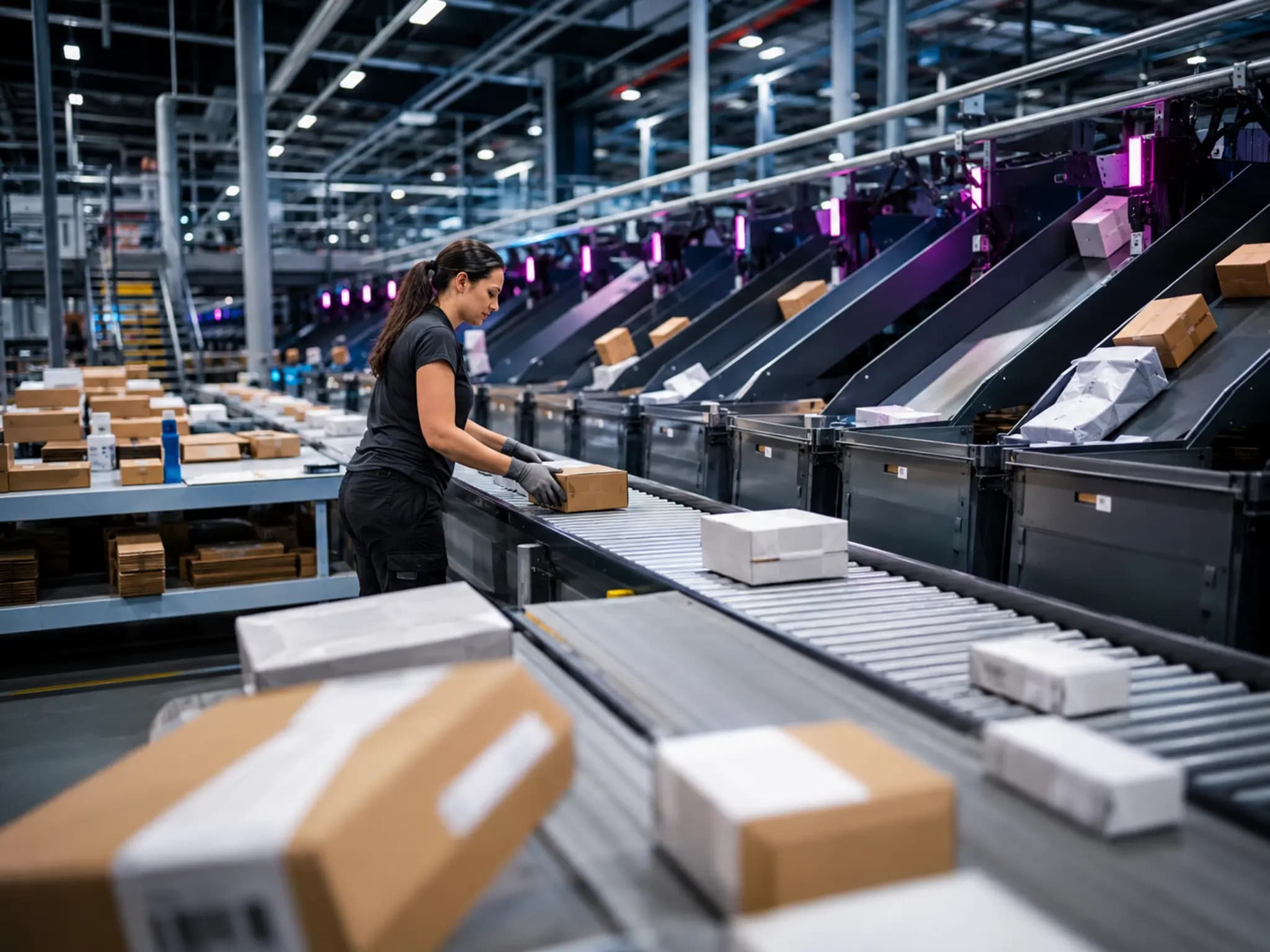
E-commerce
Keep the digital promise through physical execution.
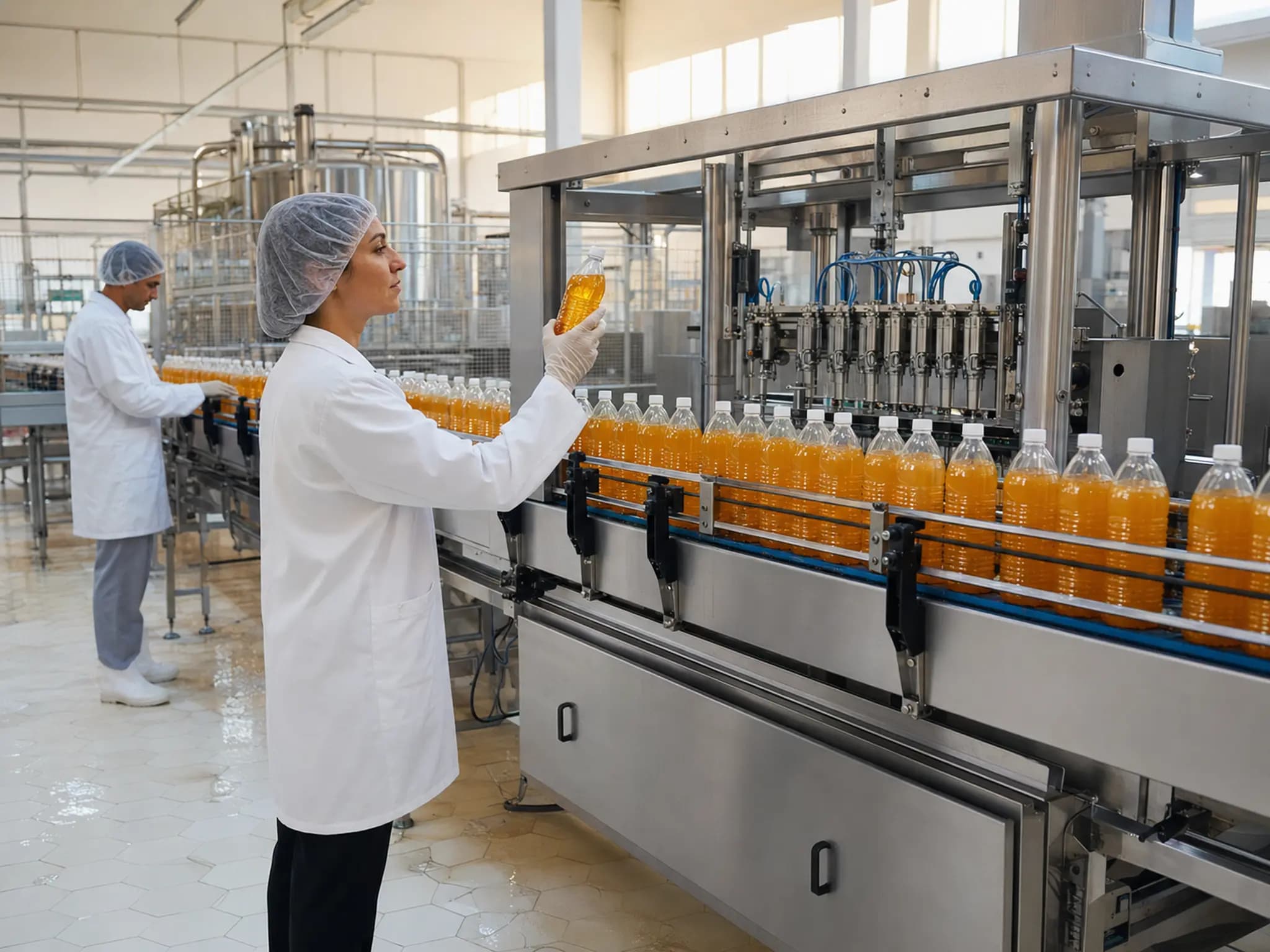
Food & beverage
Connect materials, batches, dates, quality, transformation, inventory and customer commitments.
- Batch, date and quality status management
- Backward and forward traceability
- FIFO/FEFO, holds and releases
- Multi-temperature and multi-site storage
- Documented transport, returns and recalls
Start with your issue
The industry then clarifies rules, data and responsibilities.
One capability, several contexts
The same capabilities are configured according to flow and industry priorities.
| Industry | Orders | Allocation | Inventory | Transport | Production | Maintenance | Analytics | Integrations |
|---|---|---|---|---|---|---|---|---|
| Plastics manufacturing | • | • | • | • | • | • | • | • |
| Automotive | • | • | • | • | • | • | • | • |
| Food & beverage | • | • | • | • | • | • | • | • |
| Textile | • | • | • | • | • | • | • | • |
| Construction | • | • | • | • | • | • | • | • |
| Pharmaceutical | • | • | • | • | • | • | • | • |
| Transport & logistics | • | • | • | • | • | • | • | • |
| Agriculture & livestock | • | • | • | • | • | • | • | • |
| Services | • | • | • | • | • | • | • | • |
| Commerce & distribution | • | • | • | • | • | • | • | • |
| Retail | • | • | • | • | • | • | • | • |
| E-commerce | • | • | • | • | • | • | • | • |
An architecture designed around operational context
One unified suite, specialised modules and open integrations.
Industry stories & resources
Content to explore your issues and prepare for action.
Checklist: secure critical deliveries
Read the guidePractical sheetFood & beverageBatch and shelf-life traceability: five control points
View the sheetProgrammeIndustryIndustrial planning: from forecast to actual
Explore the programmeArticleRetail & networksOmnichannel inventory: unify availability and promise
Read the articleSeveral activities, several systems?
Navigator helps you see clearly.
Describe your context in a few minutes and get an initial recommendation journey.
FAQ — Industries hub
Answers to the most frequent questions.
How do I choose the most relevant industry for my organisation?
Start with the flow carrying the most risk or value: produce, store, transport, sell or maintain. A multi-activity organisation can naturally combine several journeys.
Can one solution cover several industries?
Yes. The same capabilities can be configured differently according to business constraints, available data, stakeholders and evidence requirements.
How do you manage regulatory specifics?
Solutions structure rules, controls, statuses, documents and histories. Applicable obligations remain scoped and validated with the organisation and its experts.
Which deployment modes are available?
Scope, hosting, interfaces and roadmap are defined during scoping. Deployment can progress by site, flow or operational priority.
Let’s discuss your real constraints.
Our experts connect your industry, flows, systems and priorities.
Talk to an expert