Incomplete history
Requests, work, causes, time and parts remain difficult to reconstruct for each asset.

OTILA CMMS · Maintenance
Connect equipment, plans, work orders, parts, costs and field facts in one explainable maintenance cycle.
What weakens maintenance
Requests, work, causes, time and parts remain difficult to reconstruct for each asset.
Due dates rely too heavily on habits, files and manual reminders.
Part availability and work costs are reconciled too late.
Operational cycle
Concrete benefits
Maintenance moves from isolated reaction to a discipline driven by master data, history, priorities and field execution.

Organise preventive work, workload, resources and due dates according to equipment and constraints.
Test a scenario

Connect causes, actions, parts, costs and history to improve future decisions.
Test a scenarioDecision lab
 Priority, assignment and replanning reason retained
Situation
A critical asset stops while several preventive jobs are already planned.
Structured capabilities

Selected capability
Hierarchy, locations, documents, meters and history.
Information-system architecture
OTILA structures maintained assets, corrective and preventive work, work orders, parts and maintenance control. Purchasing, finance, production and IoT responsibilities remain explicit in the architecture.
Owns the technical hierarchy, requests, plans, work orders, resources, consumed parts, evidence and history.
Retain suppliers, orders, accounting, tax and valuation in the responsible system.
Provide availability, meters, events and constraints with a defined frequency and owner.
OTILA family
Choose according to who owns the assets and who performs the service. The Industry context deepens the need without creating another edition.

The maintenance foundation: assets, preventive and corrective work, work orders, parts and control.
Current page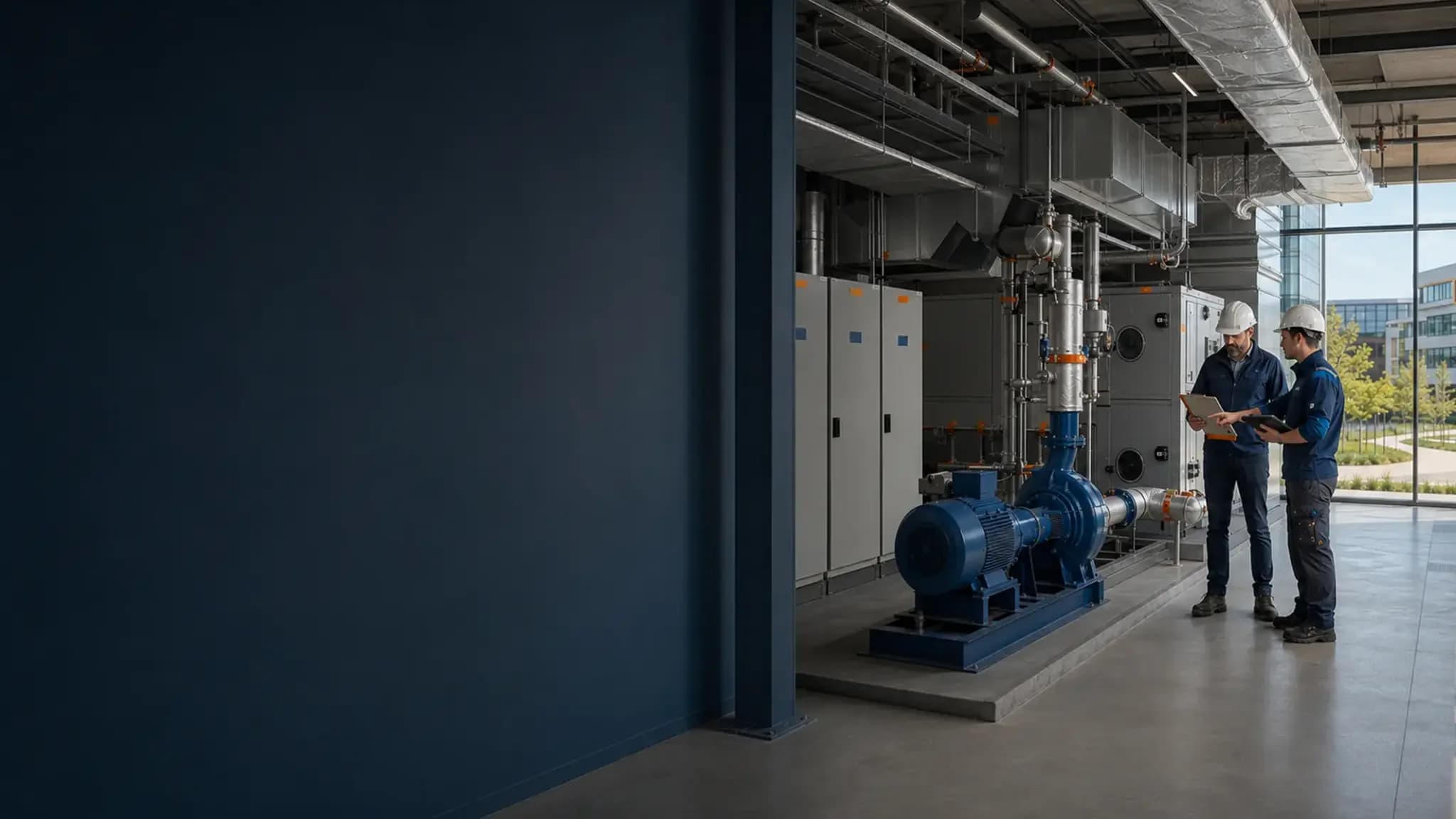
For organisations maintaining their own buildings, installations and equipment.
Explore
For providers managing contracts, dispatch, work, evidence and billable items.
Explore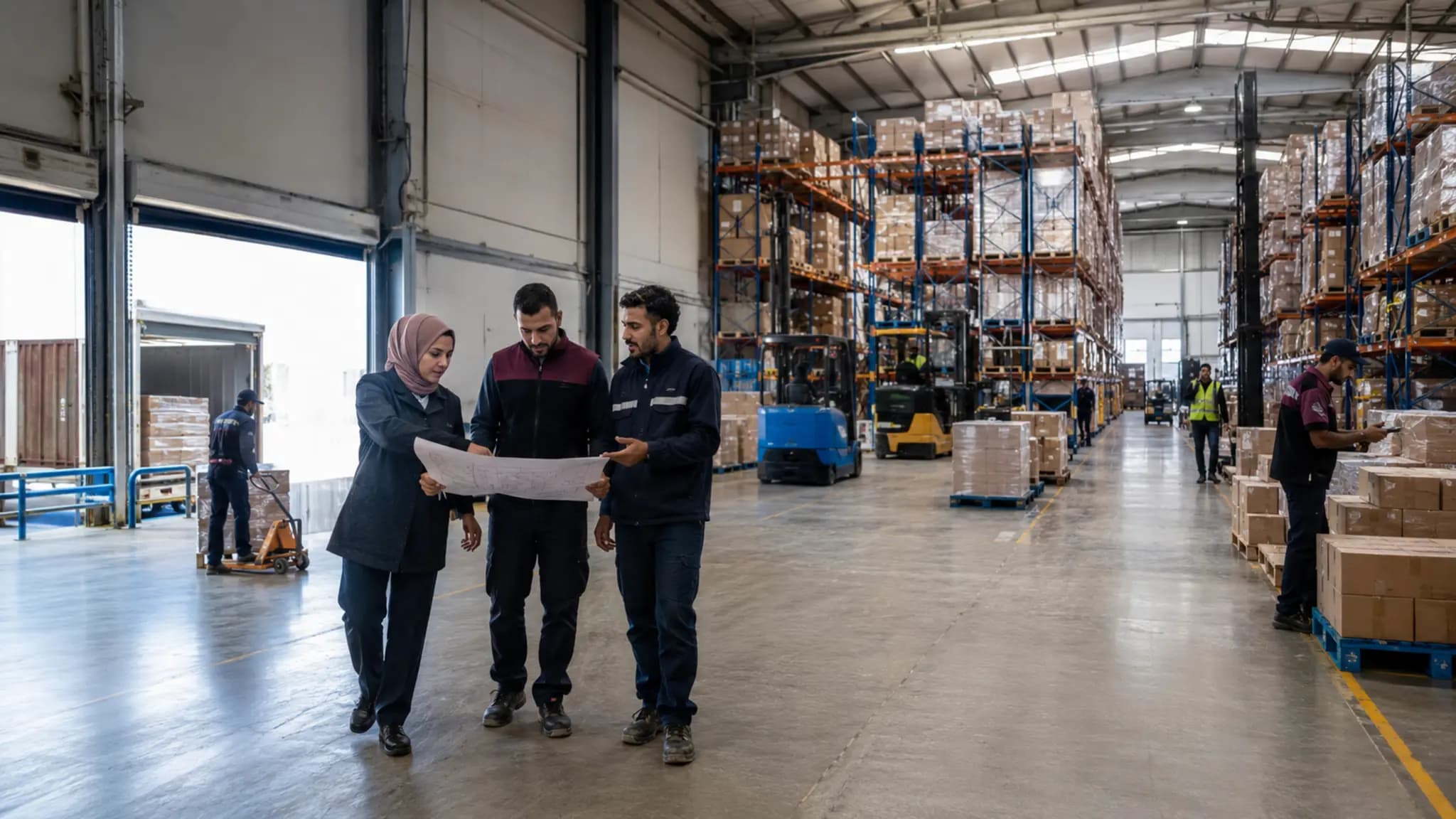
A deeper industrial context for criticality, line maintenance, MRO inventory and reliability.
ExploreComplementary modules
Part orders, receipts, invoices and exchange statuses supervised across selected systems.
Explore the module02Quotations, contracts, rates, actual work, evidence and billable items for maintenance providers.
Explore the module03Sites, teams, subcontractors, equipment, consumables and off-site work.
Explore the moduleConnected ecosystem
Integration specifies system, version, data, frequency, rights, controls, supervision and recovery. Conceptual compatibility is never presented as a ready interface without validation.
Controlled deployment
Assets, objectives, ownership
Master data, task lists, parts
Statuses, rights, rules, evidence
Sources, interfaces, equipment
Scope, acceptance, adoption
Sites, assets, modules, improvement
Resources
Frequently asked questions
Yes. The scope distinguishes maintenance linked to transport operations in CANDOR from autonomous CMMS requirements, according to the selected organisation.
Yes. OTILA supports the needs of internal asset teams and maintenance service providers through adapted workflows.
Yes. Scoping confirms the connector, version and flows covered with ERP, purchasing, inventory and other relevant systems.
Both deployment models are available. The choice depends on architecture, security and operating requirements.
Yes. Sites, buildings, installations and equipment can be structured with their documents, meters, plans, requests and history.
Standard connectors, APIs, EDI or files may be used according to the catalogue, versions and flows. Responsibilities for master data, purchasing, inventory, costs and work are defined before integration.
Plans can use dates, operating hours, mileage, cycles or events when the source data, frequency and rule have been validated.
Applicable templates, data, approvals, signatures, retention periods and obligations must be configured and verified. OTILA structures evidence but cannot guarantee compliance by itself.
Your next step
Start from your assets, teams, data and real constraints to define a useful first cycle.