Fragmented tools
Orders, inventory, transport and customers sit in separate systems.
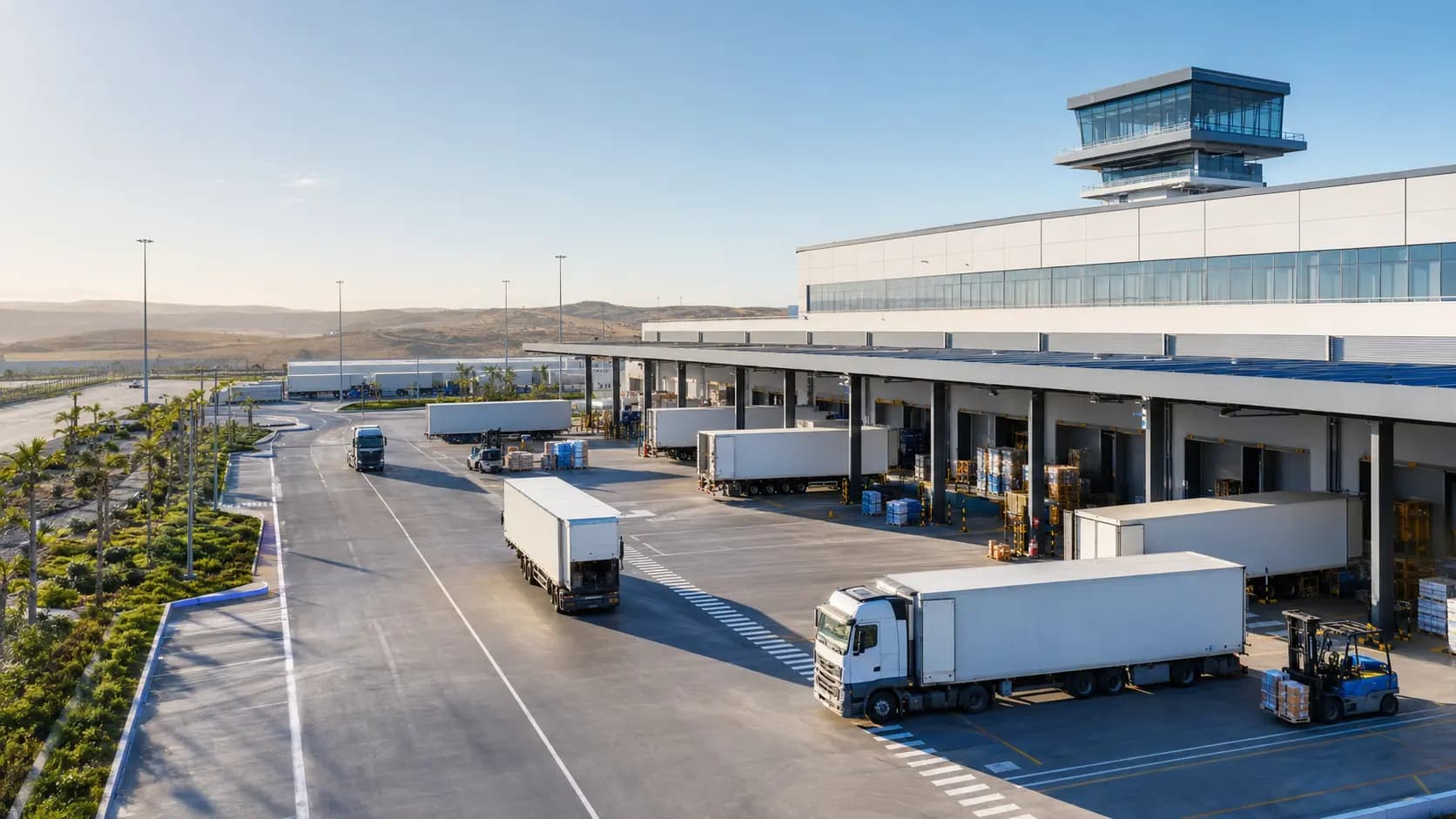
TRANSPORT & LOGISTICS
Decisions become reliable when flows, data and responsibilities stay connected.
Orders, inventory, transport and customers sit in separate systems.
Picking, loading and slots must stay synchronised.
Delays, incidents and capacity disrupt commitments.
POD, reservations and documents arrive late or outside the file.
Reverse flows, statuses, ownership and costs are hard to reconcile.
Actual cost is understood after execution.
Every event supports the next decision and preserves its context.
Customer dates sometimes ignore actual constraints.
Late assignments and empty returns increase cost.
Vehicles arrive before goods or docks are ready.
Evidence and ownership are reconstructed afterwards.
Delivered, subcontracted and invoiced work do not reconcile.
Choose a complete suite to cover the entire value chain, or integrate only the industry solution missing from your existing information system.
For organisations seeking a native, coherent and end-to-end integrated foundation.
To complete your existing landscape without forcing replacement of applications that already meet your needs.
Freight files, documents, operations, costs and billing.
Multi-client inventory, fulfilment, traceability and services.
Customs statuses, locations, movements and files.
Fleet, routes, drivers, POD, costs and billing.
Docks, handling equipment, vehicles, assets and work.
Accounts, opportunities, commitments and complaints.
Journeys adapted to the industry’s operating realities.

Orchestrate several principals, inventories, services and evidence.
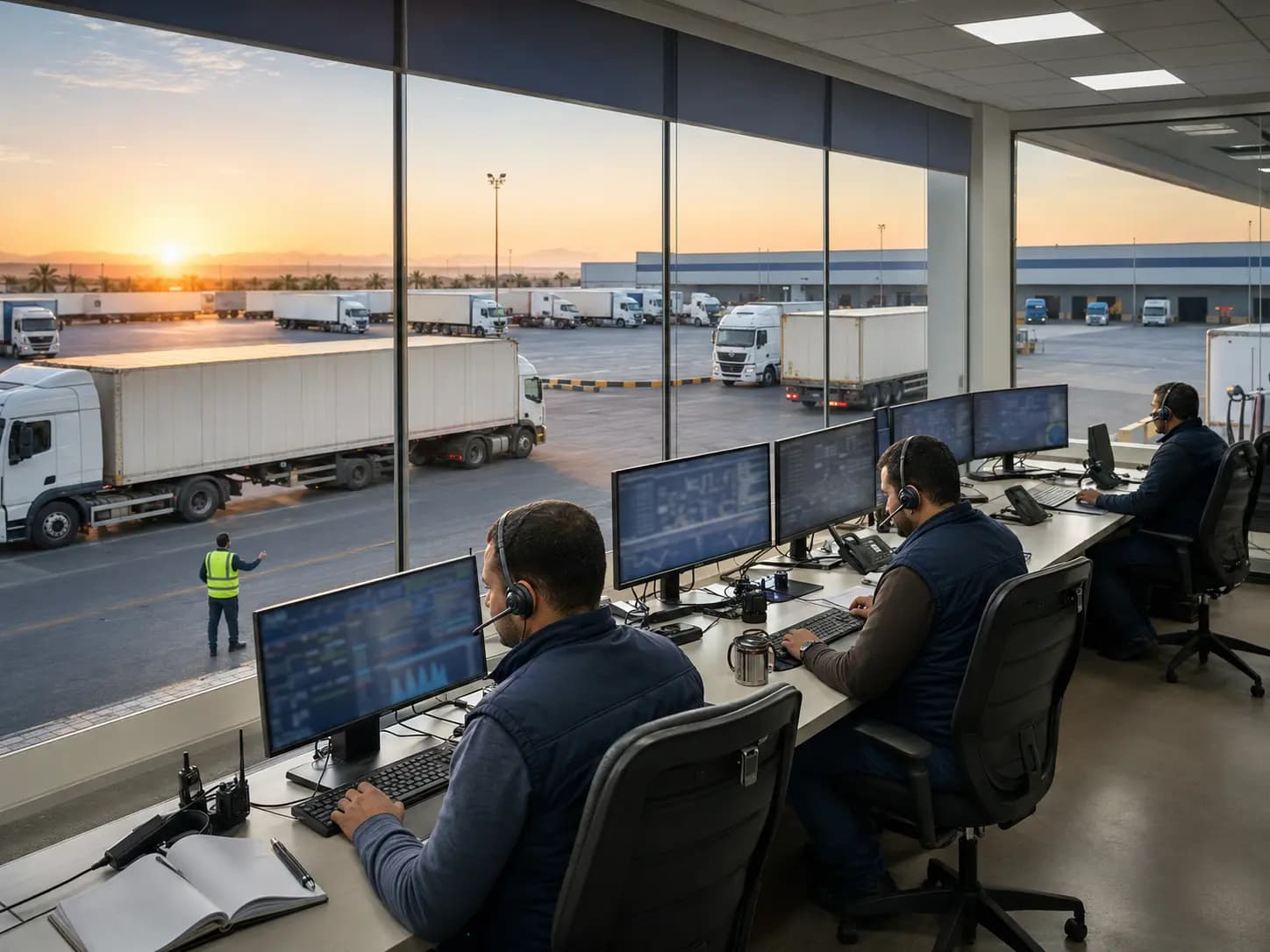
Connect operations, drivers, fleet, POD, billing and profitability.

Keep files, documents, goods and costs in a controlled continuum.
B‑AGILE completes your application landscape from explicit ownership.
Explore the issues before defining your roadmap.
No. Scoping distinguishes applications to retain, extend, integrate or replace.
Yes. The pilot can target one customer, warehouse or activity before expansion.
Let’s discuss your flows, existing IS and the first scope to bring under control.