Fragmented field monitoring
Fields, groups, work and events remain scattered across paper, files and isolated applications.
 AGRICHAIN
Integrated agricultural suite
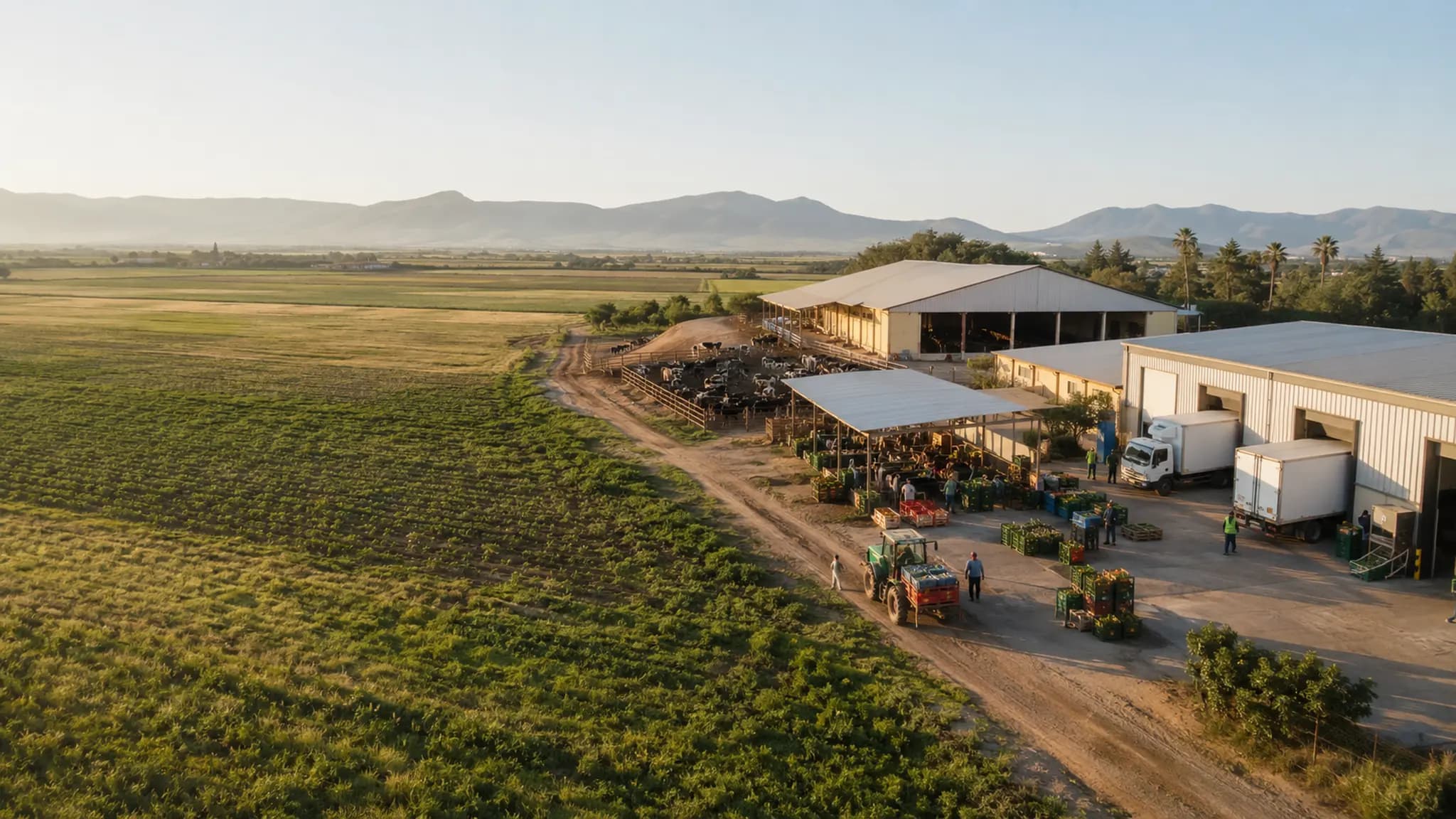
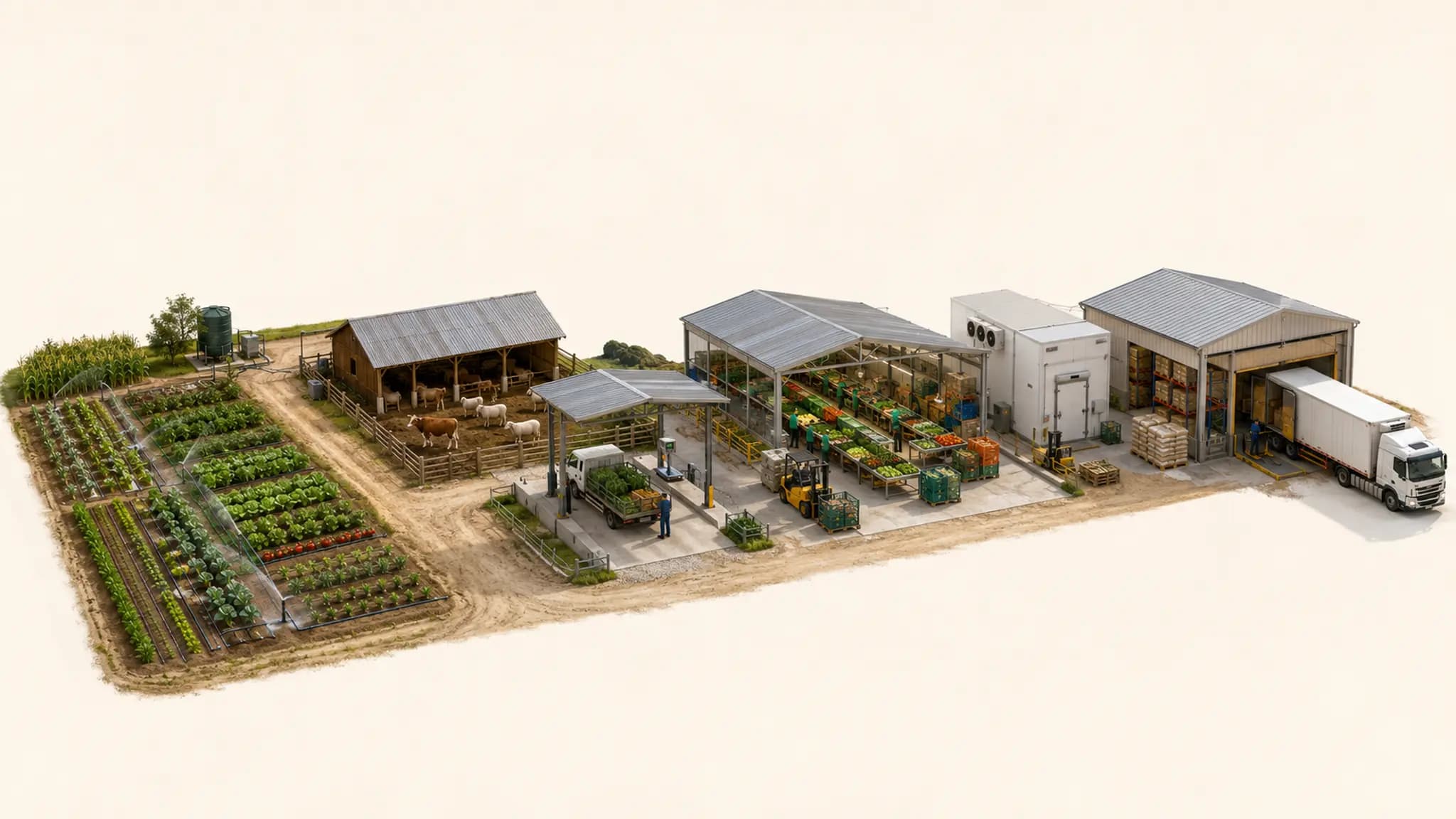
EMS AGRICHAIN connects agriculture, livestock and packing-station operations through activities, resources, groups, batches, checks, inventory and commitments.
Your daily agricultural challenges
Fields, groups, work and events remain scattered across paper, files and isolated applications.
Resources, equipment, inputs, receiving and packing do not always share the same schedule.
Inputs, feed, packaging and products do not reach the activity consuming them at the right time.
Origins, groups, harvests, batches, checks and destinations are connected too late.
Inspection, status, cause, decision and release follow separate responsibilities.
Yields, losses, consumption, service and costs are read without their source events.
An end-to-end view
EMS AGRICHAIN solutions
Deploy the complete suite or begin with the solution matching your priority. Every responsibility remains identifiable.
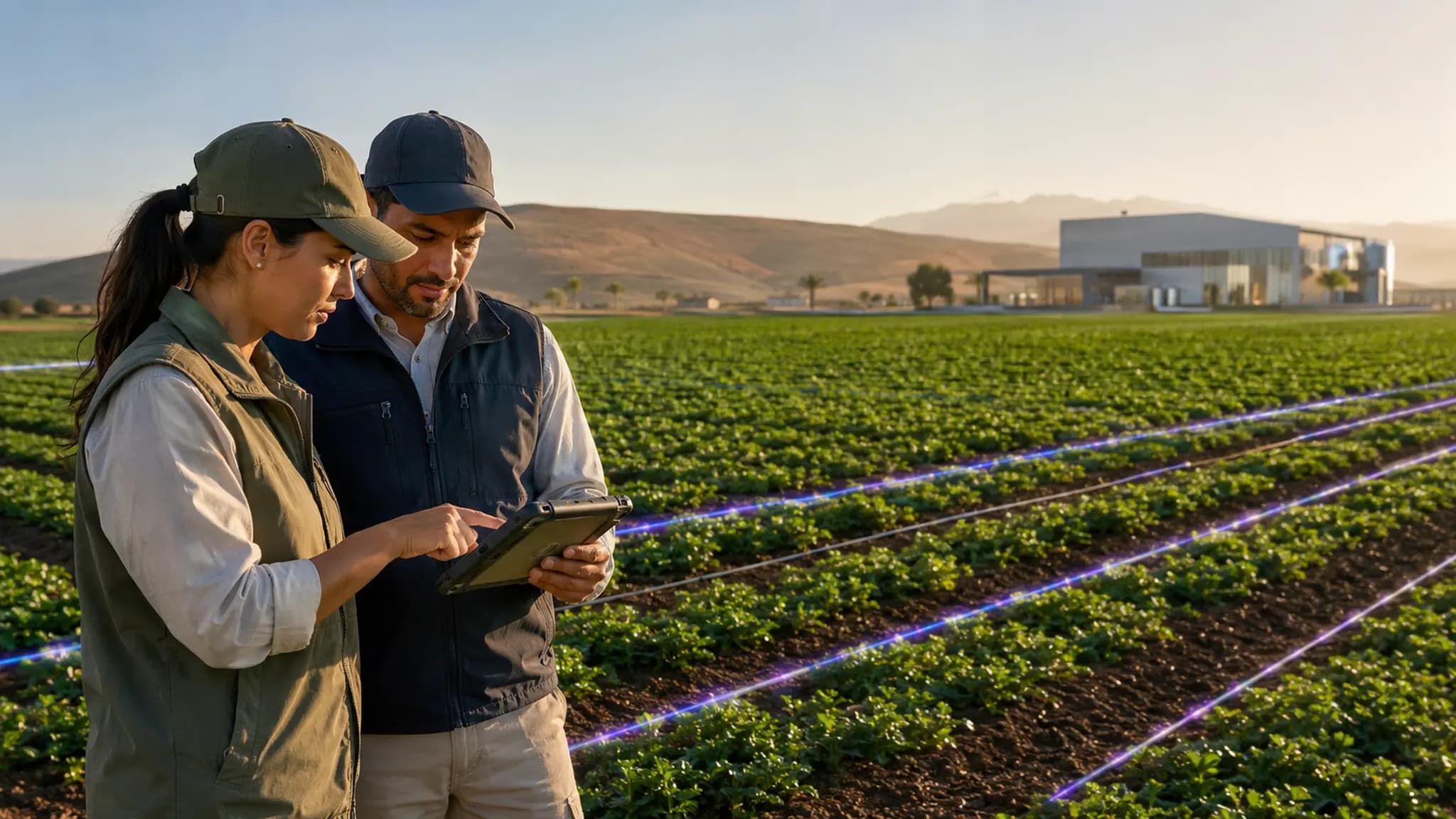

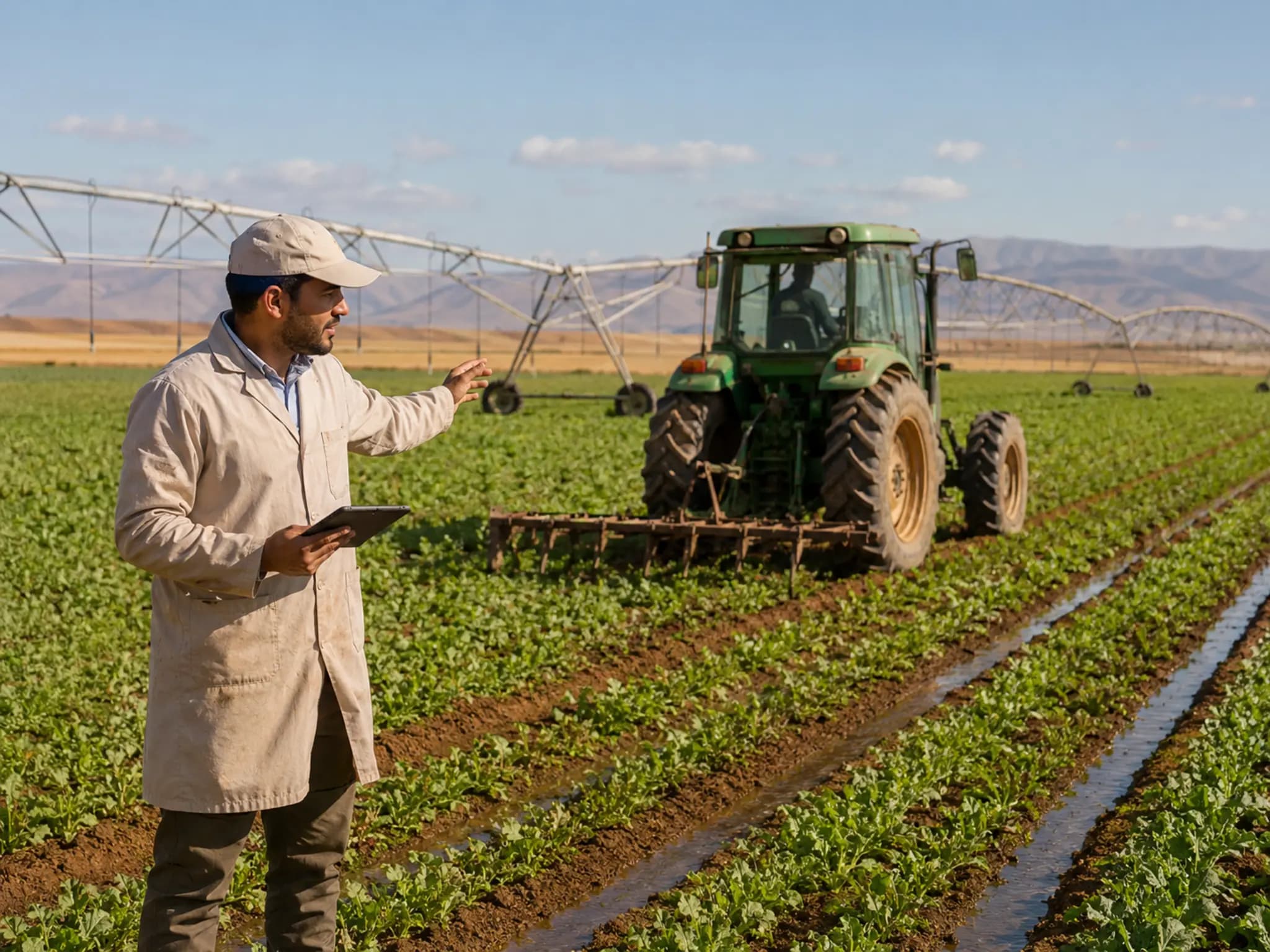
Fields, campaigns, activities, inputs, resources, harvests, costs and history.
Explore the solution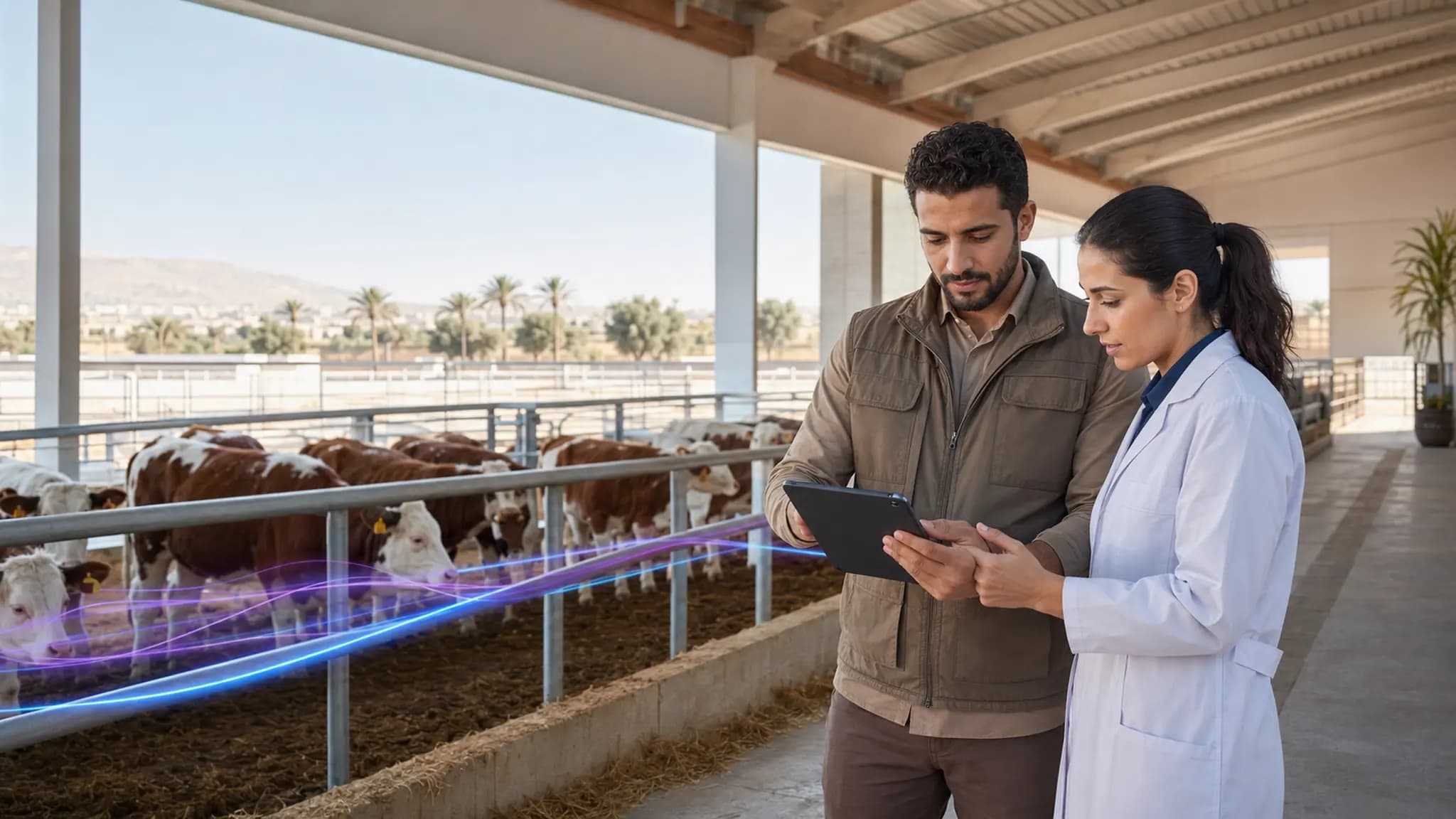

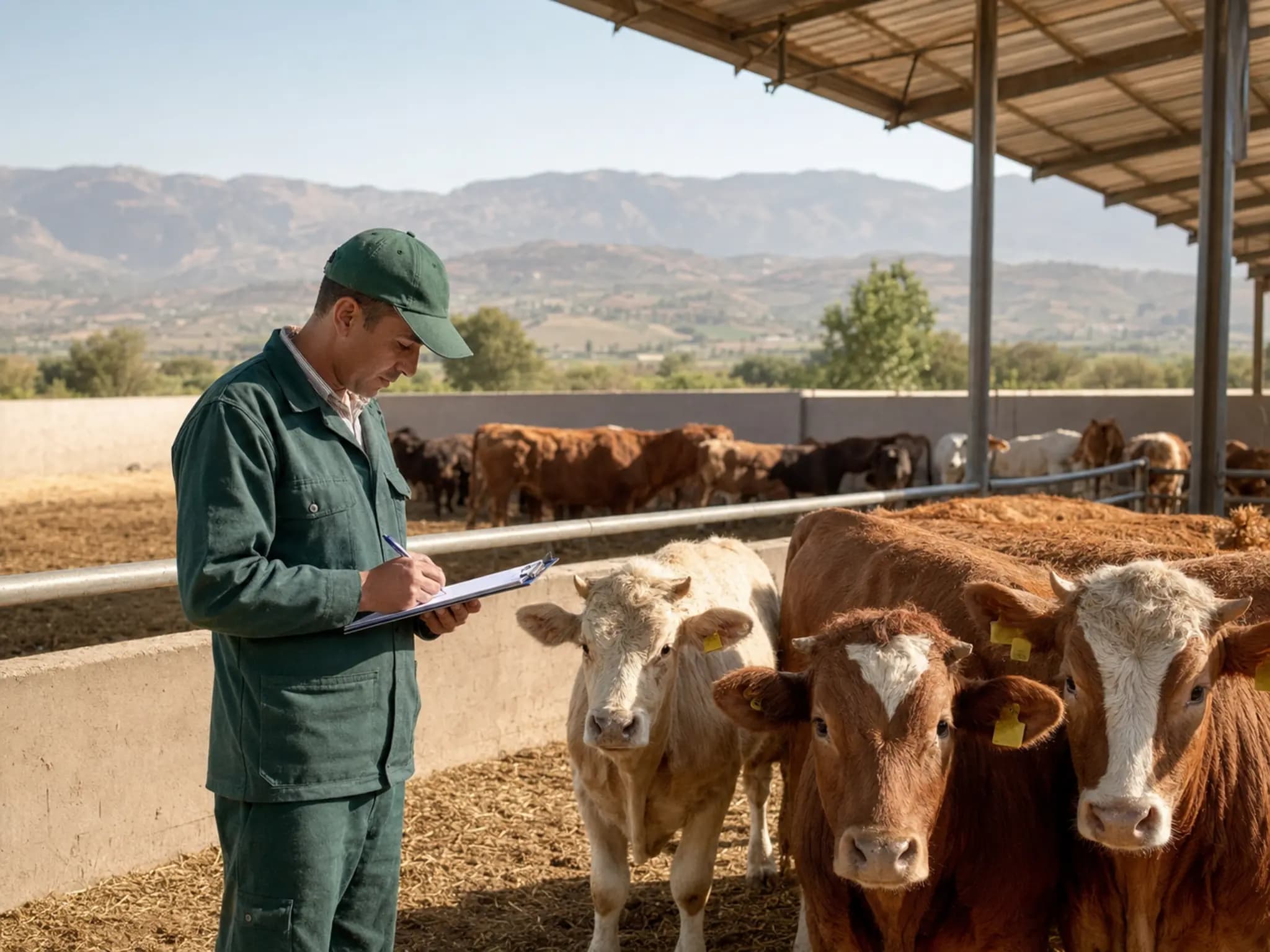
Animals or groups, sites, movements, feed, events, resources and history.
Explore the solution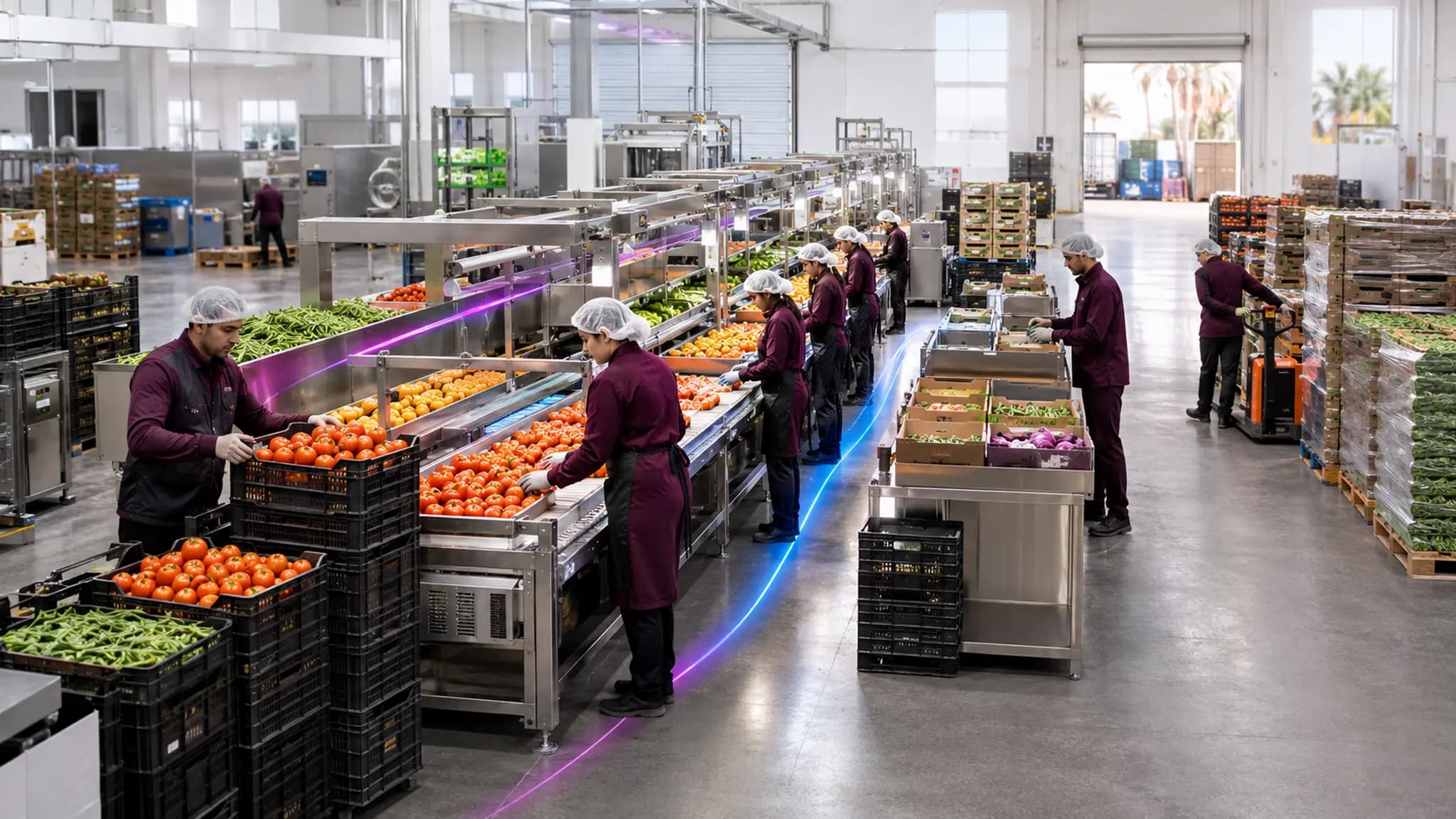
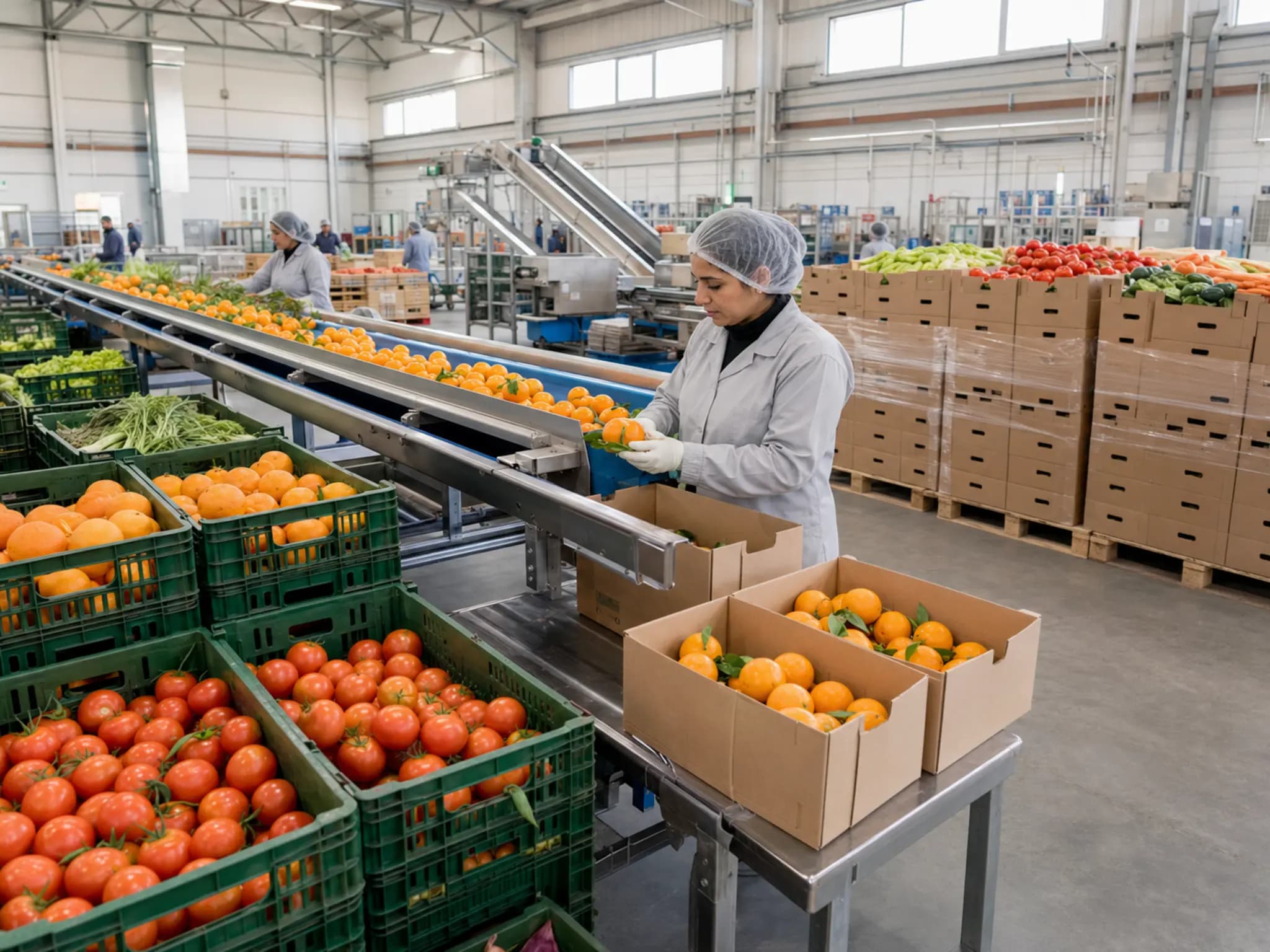
Receiving, batches, sorting, checks, packaging, pallets, inventory and shipping.
Explore the solutionKey capabilities
EMS AGRICHAIN chain twin
This demonstration connects operations, groups, batches, inventory and commitments. Values are illustrative: the project model uses rules and data validated with your teams.
Simulate an event
Three exceptions are visible without threatening confirmed commitments.
Handle the proposed checks and retain the schedule.
Designed for different agricultural contexts
Integration & ecosystem
Governance & data
Progressive deployment
Resources & training
Frequently asked questions
EMS AGRICHAIN brings together exactly three solutions: ESSOR Agriculture, ESSOR Livestock and ESSOR Packing Station.
Yes. Each solution can form an initial scope, then connect to the others when useful processes and data are ready.
Origin objects, events, batch rules, statuses, checks, documents and destinations are defined with your teams before configuration.
This page demonstration uses illustrative values. The project model only uses rules, events and data validated for the selected scope.
Yes. Sites, fields, groups, campaigns, stations and responsibilities can be structured according to the organisation actually deployed.
The method depends on the business and available equipment: mobile entry, import, interface, file or automated event, with explicit checks and responsibilities.
Yes, according to the actual connector catalogue, available protocols, required frequency and responsibilities defined for each data item.
Each indicator has a definition, period, sources, exclusions and owner. No yield or cost is consolidated before those rules are validated.
Available deployment models depend on the solutions and project constraints. Architecture is confirmed during scoping.
Start with a representative, measurable cycle: a campaign, group, station, batch family or complete flow according to your priority.
Your next step
Choose an initial cycle, measure its starting point and move forward through evidence.