Scattered history
Events are split between registers, files and team memory.

ESSOR · Livestock
A business scope for structuring livestock, batches, events, resources and traceability under approved practices.
What this edition brings under control
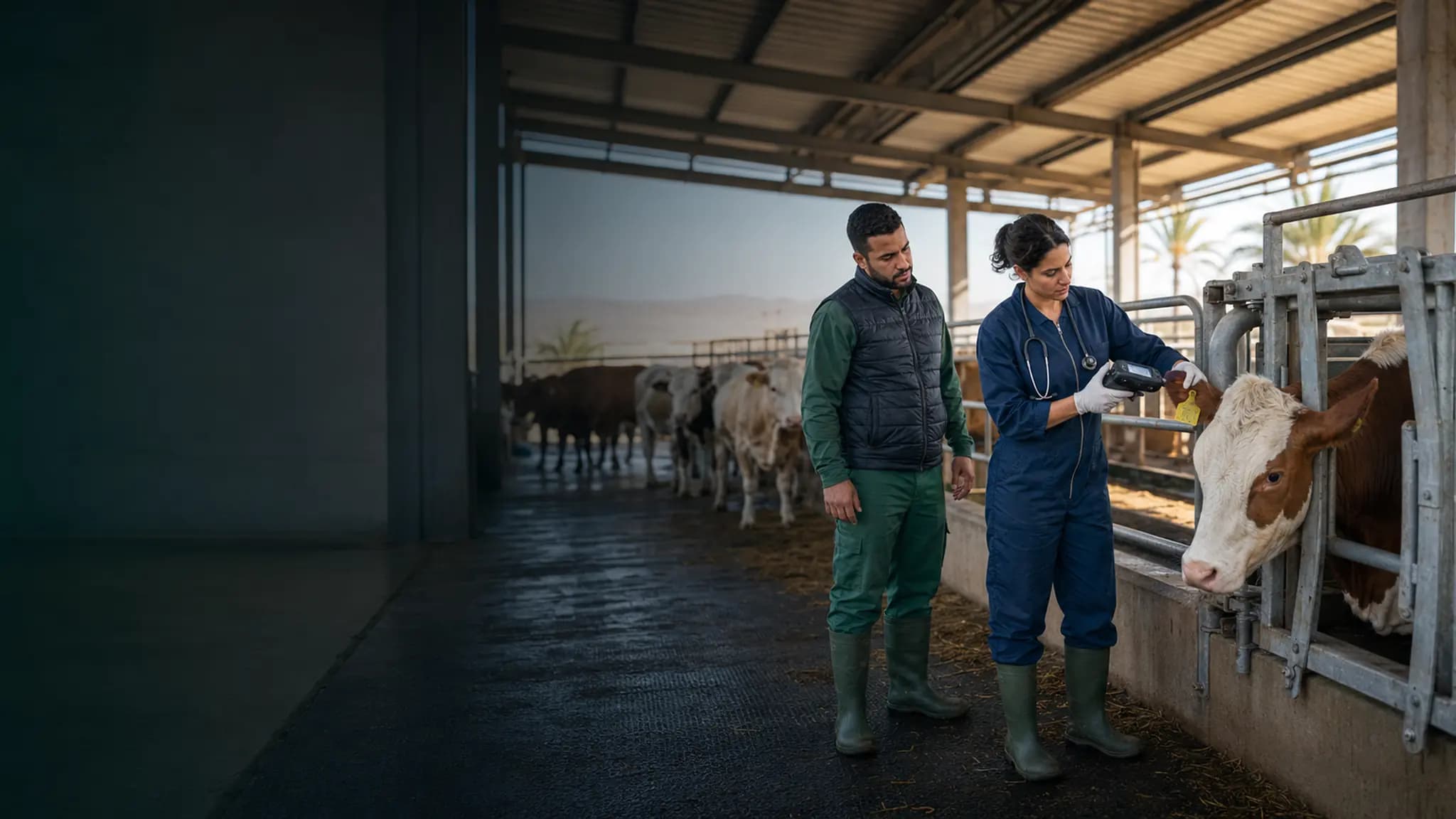
Identities, batches, sites, events, movements, consumption and documents are connected according to the selected tracking level and applicable requirements.
Events are split between registers, files and team memory.
Origins, movements and statuses require manual reconciliation.
Deadlines and anomalies are not shared early enough.
An integrated business solution
Each benefit connects a challenge, an operational responsibility and the data required to act.

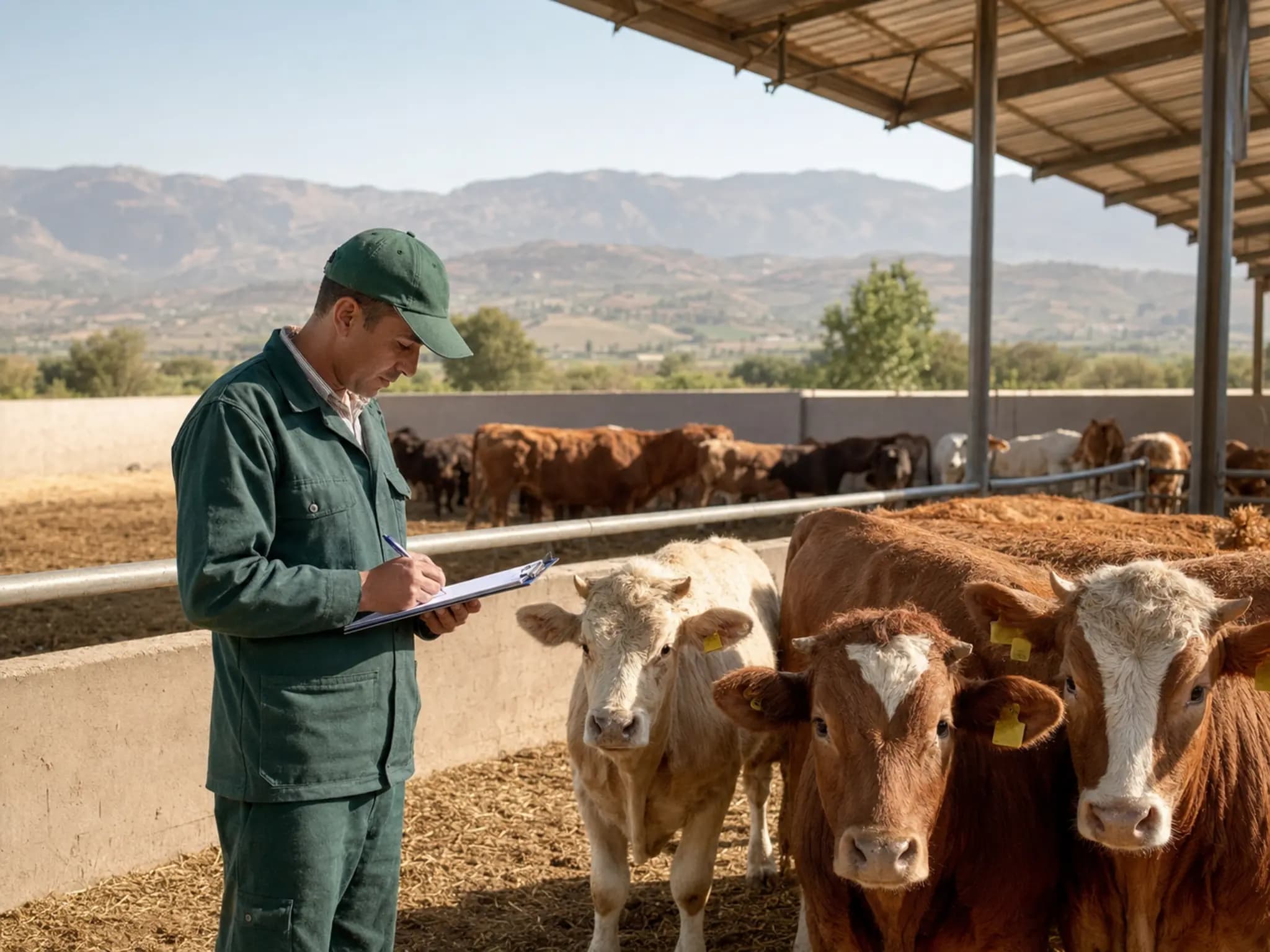

Decision lab
Operational objective
Structure animals, batches, sites and master data.
Functional scope
Identification and organisation of the monitored scope.
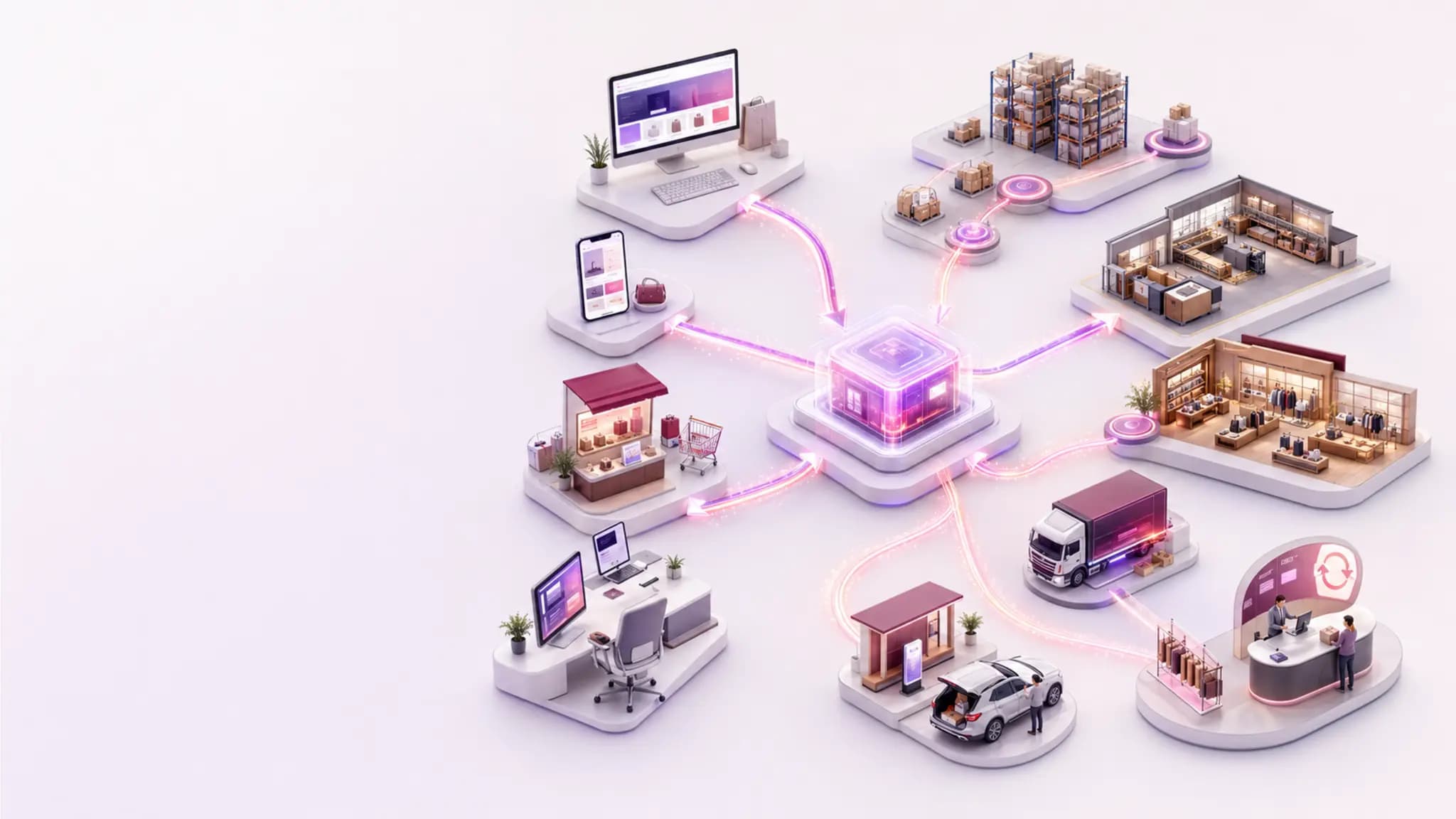
A readable business timeline
A dedicated business edition
The edition scope is composed according to the business, the processes actually covered and the information-system architecture.
Identities, batches, sites, events, movements, consumption and documents are connected according to the selected tracking level and applicable requirements.
Product architecture
Choose the page matching your activity. Every card opens a dedicated, functional experience.

Sales, purchasing, inventory, finance and master data within the selected ERP core.
Explore
Forwarding, freight, bonded-warehouse, service and profitability records.
Explore
Master data, demand, orders, consumption, inventory and industrial costs.
Explore
Livestock batches, cycles, feed, health and costs within the selected scope.
Current page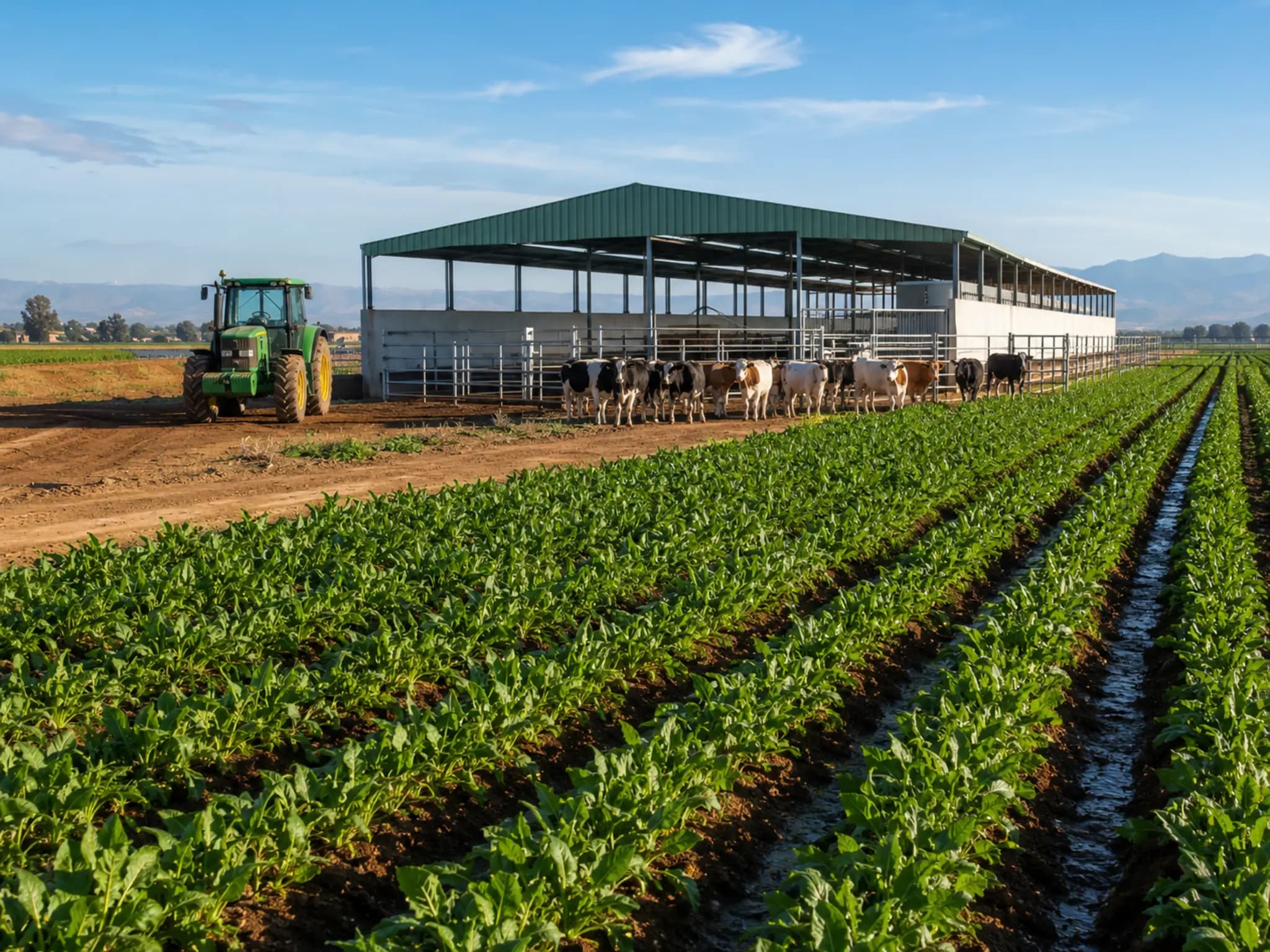
Plots, campaigns, field work, inputs, harvests and traceability.
Explore
Intake, batches, packing, quality, shipping and valuation.
Explore
Service catalogue, projects, resources, Gantt, backlog, schedules, documents and dedicated management.
ExploreArchitecture & integrations
Scoping separates what ESSOR owns, what other systems execute and the events exchanged between them.
A controlled deployment
Understand processes, data and responsibilities.
Configure the edition for the validated scope.
Integrate the selected systems and master data.
Prepare teams through their actual journeys.
Measure, learn and extend methodically.
Resources
FAQ
The level depends on species, practices, obligations and approved processes.
It is scoped according to actual devices, connectivity and uses.
Movements, interventions, observations, status changes, documents and due dates can be structured once definitions and ownership are approved.
Each alert identifies its source event, threshold or due date, owner, channel and expected action; no automated decision is assumed.
Yes, through available standard connectors, APIs, EDI or files, with explicit ownership for each data point.
Both modes are available. The choice depends on sites, mobility, networks, security and interfaces.
Your next step
Map the processes, data, responsibilities and first value scope.