
Scattered technical data
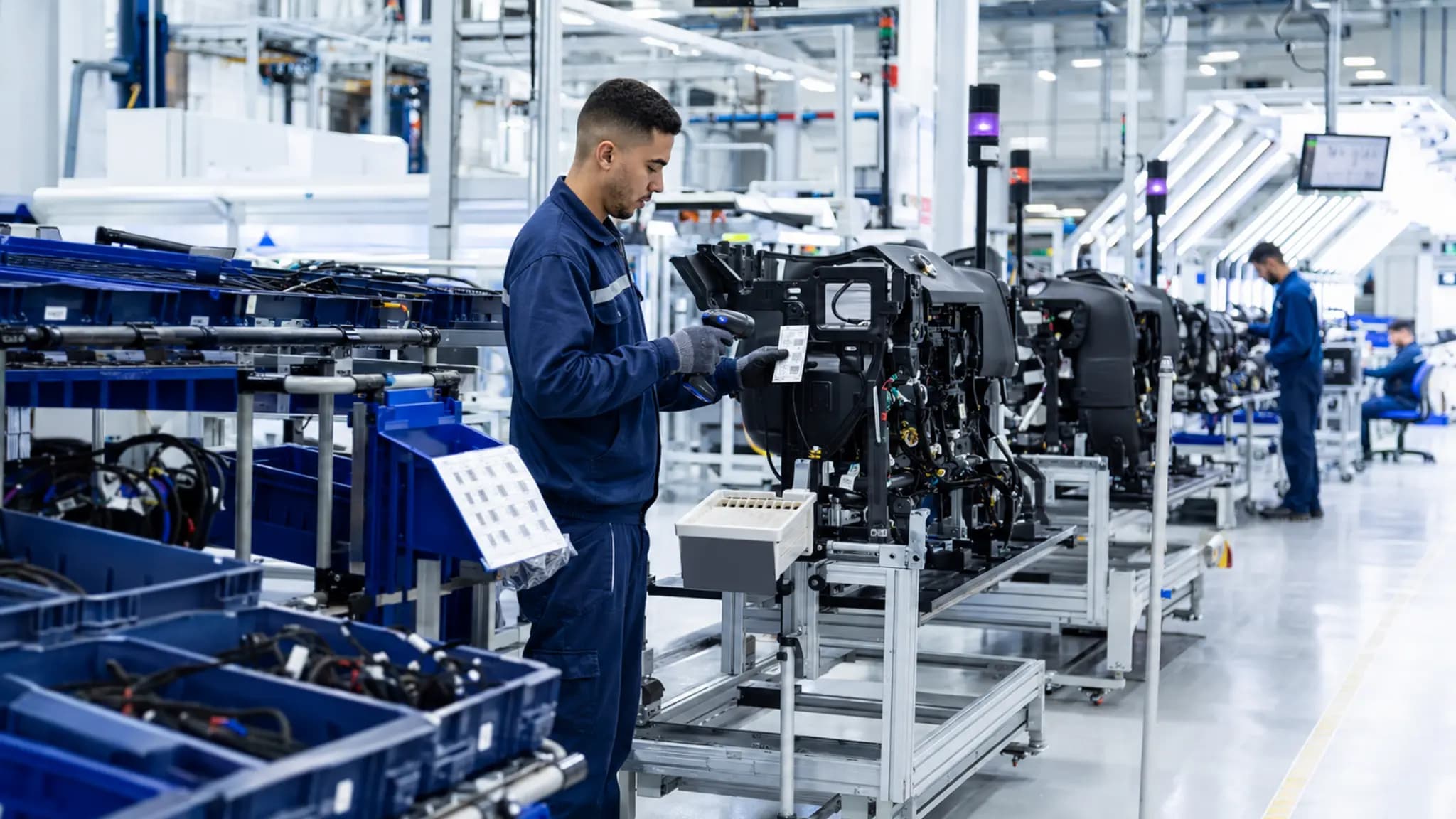
Items, variants, bills of material and routings evolve across several media and versions.
ESSOR ERP · Industry edition
ESSOR Industry structures items, bills of material, requirements, purchasing, orders, consumption, inventory and costs around industrial activity without confusing ERP, MES, WMS and CMMS responsibilities.
What this edition brings under control
ESSOR Industry structures items, bills of material, requirements, orders, consumption and costs. MES, WMS and CMMS retain their execution responsibilities when included in the architecture.
Items, variants, bills of material and routings evolve across several media and versions.
Actual workload, progress and consumption arrive too late to explain the flow in progress.
Controls, quality statuses and corrective actions remain separated from the orders and batches concerned.
Materials, time, subcontracting, scrap and variances are reconciled after closing.
An integrated business solution
Each benefit connects a challenge, an operational responsibility and the data required to act.
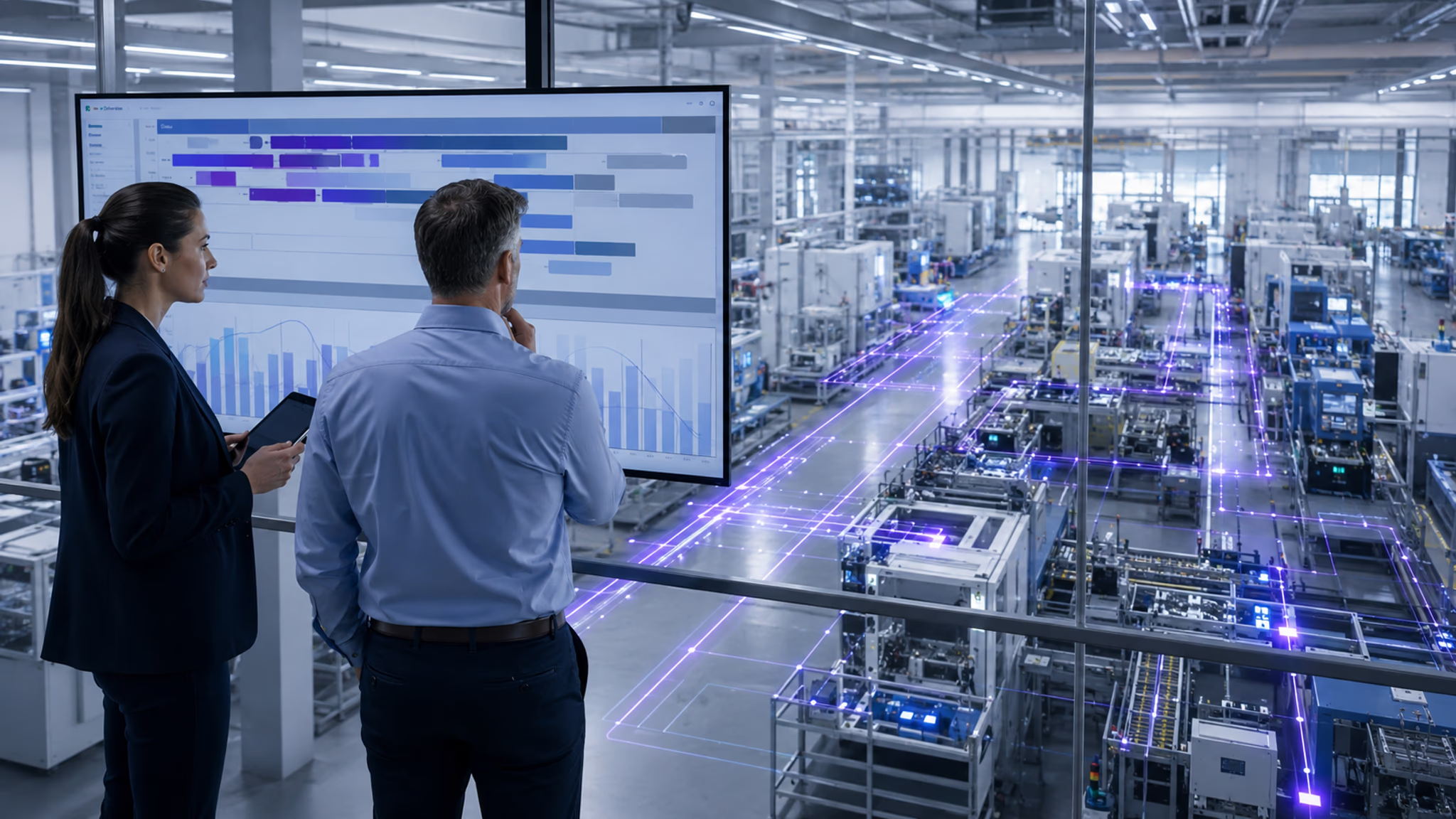
Connect demand, priorities, capacity, materials and resources using the visibility actually available.
View capabilities
Reconcile orders, progress, consumption, output, scrap and field events.
View capabilities
Connect controls, non-conformities, batches, serials, statuses and actions to the operations concerned.
View capabilities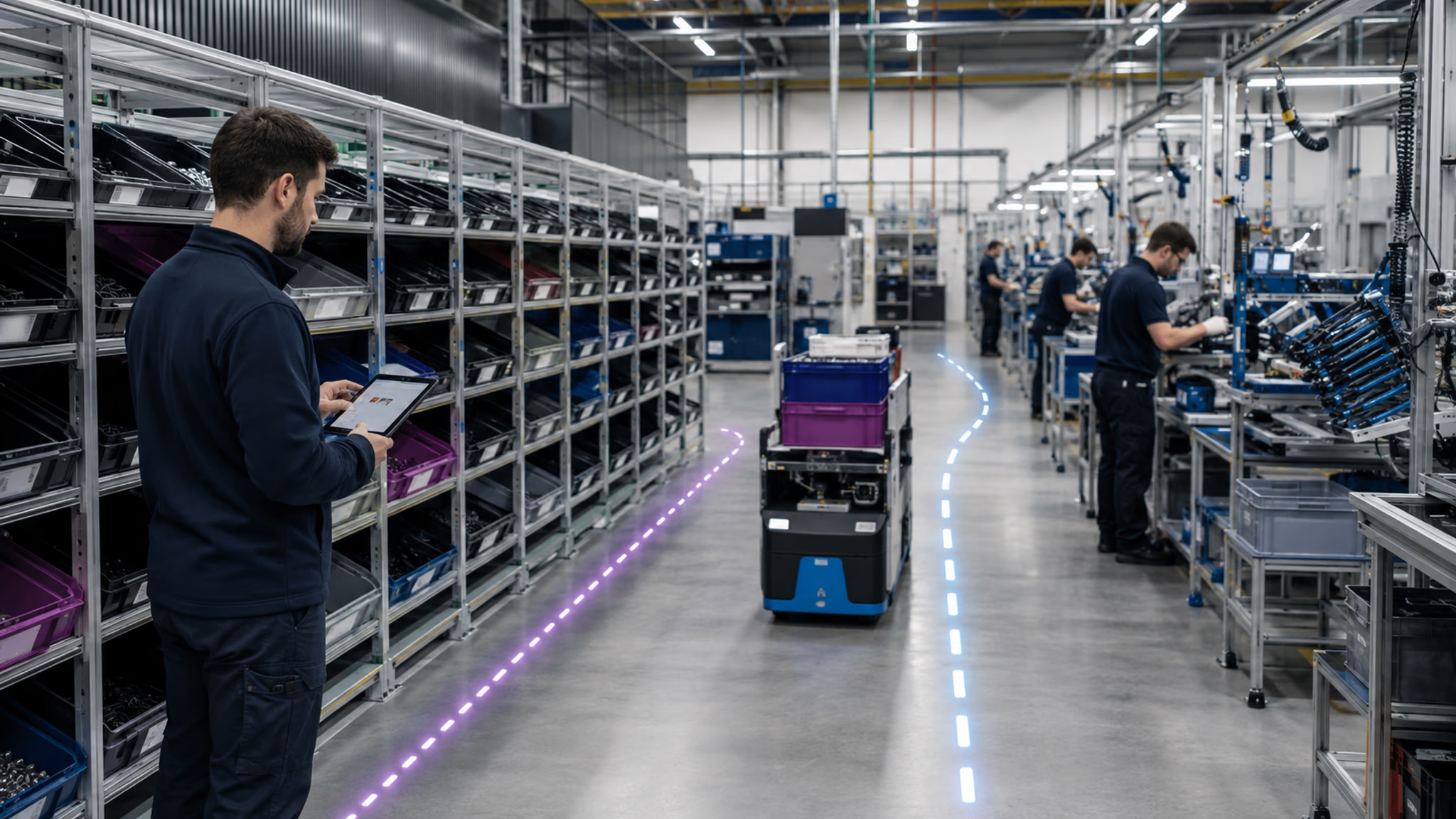
Align requirements, reservations, supply, movements and physical confirmations without confusing ERP and WMS.
View capabilities
Reconcile materials, time, purchasing, subcontracting, variances and valuation under selected financial rules.
View capabilitiesDecision lab
Operational objective
Connect demand, priorities, capacity, materials and resources using the visibility actually available.
Functional scope
Items, variants, bills of material, routings, units, versions, effective dates and change ownership.
A readable business timeline
A dedicated business edition
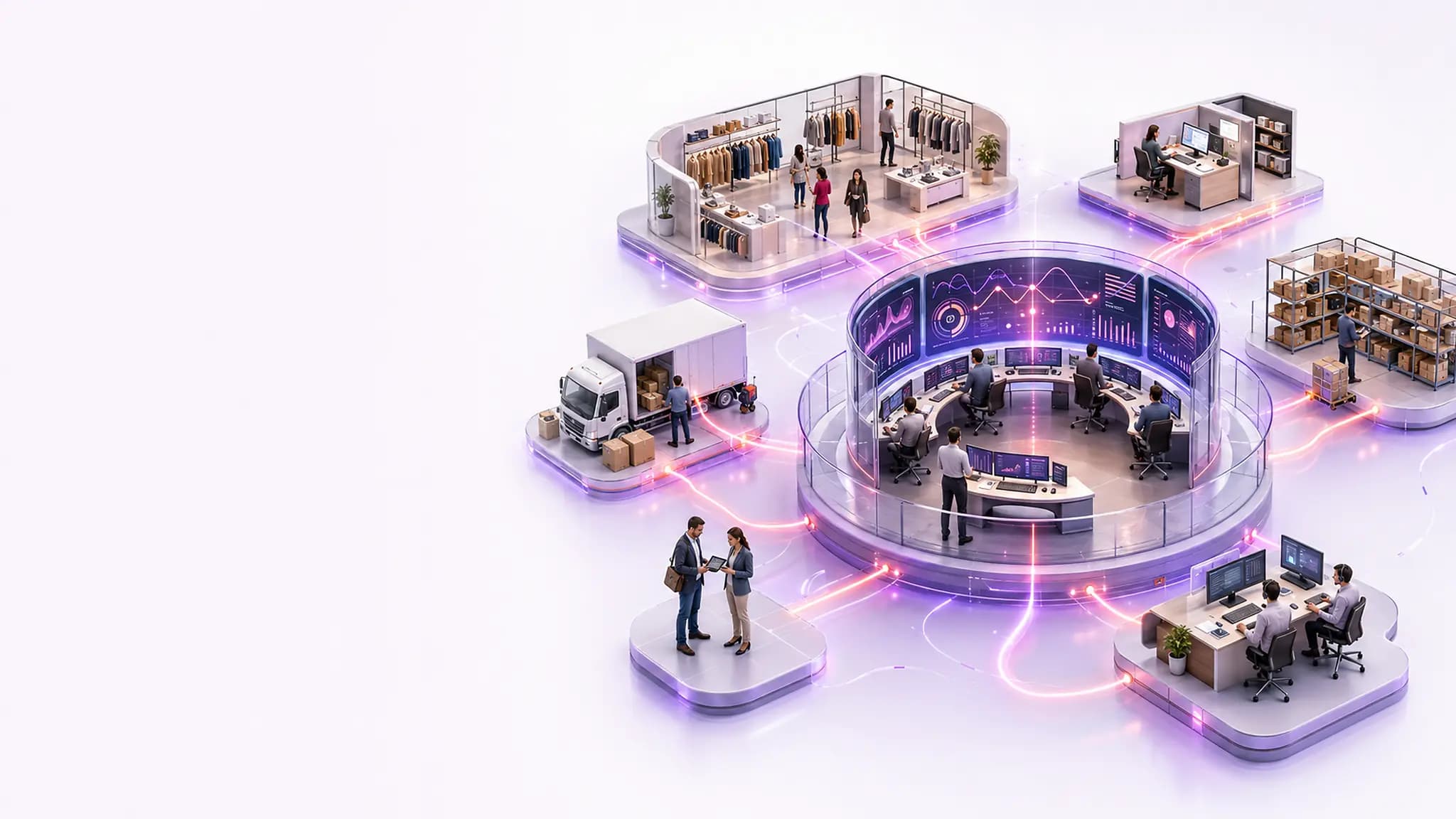
The edition scope is composed according to the business, the processes actually covered and the information-system architecture.
ESSOR Industry structures items, bills of material, requirements, orders, consumption and costs. MES, WMS and CMMS retain their execution responsibilities when included in the architecture.
Product architecture
Choose the page matching your activity. Every card opens a dedicated, functional experience.

Sales, purchasing, inventory, finance and master data within the selected ERP core.
Explore
Forwarding, freight, bonded-warehouse, service and profitability records.
Explore
Master data, demand, orders, consumption, inventory and industrial costs.
Current page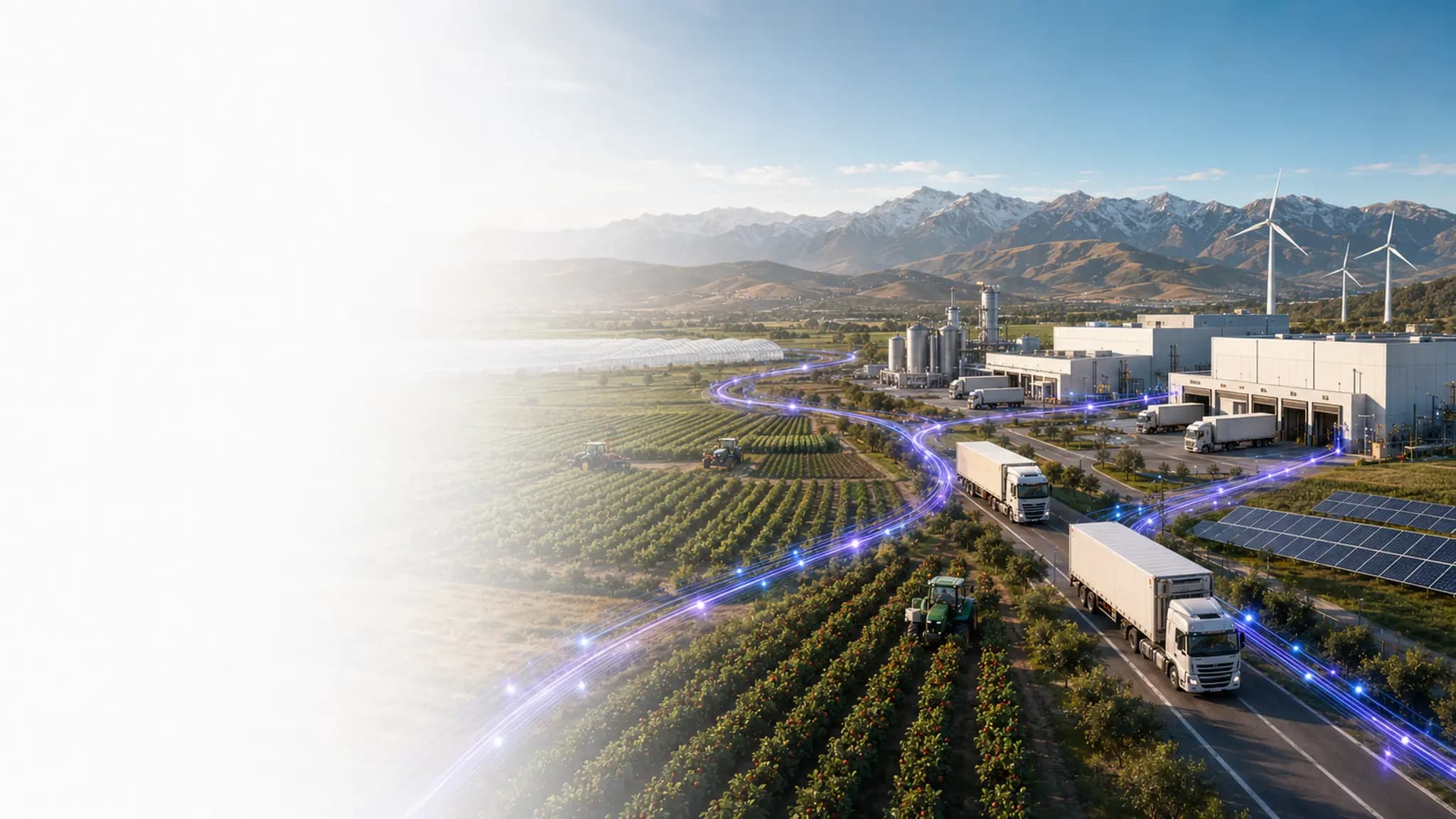
Livestock batches, cycles, feed, health and costs within the selected scope.
Explore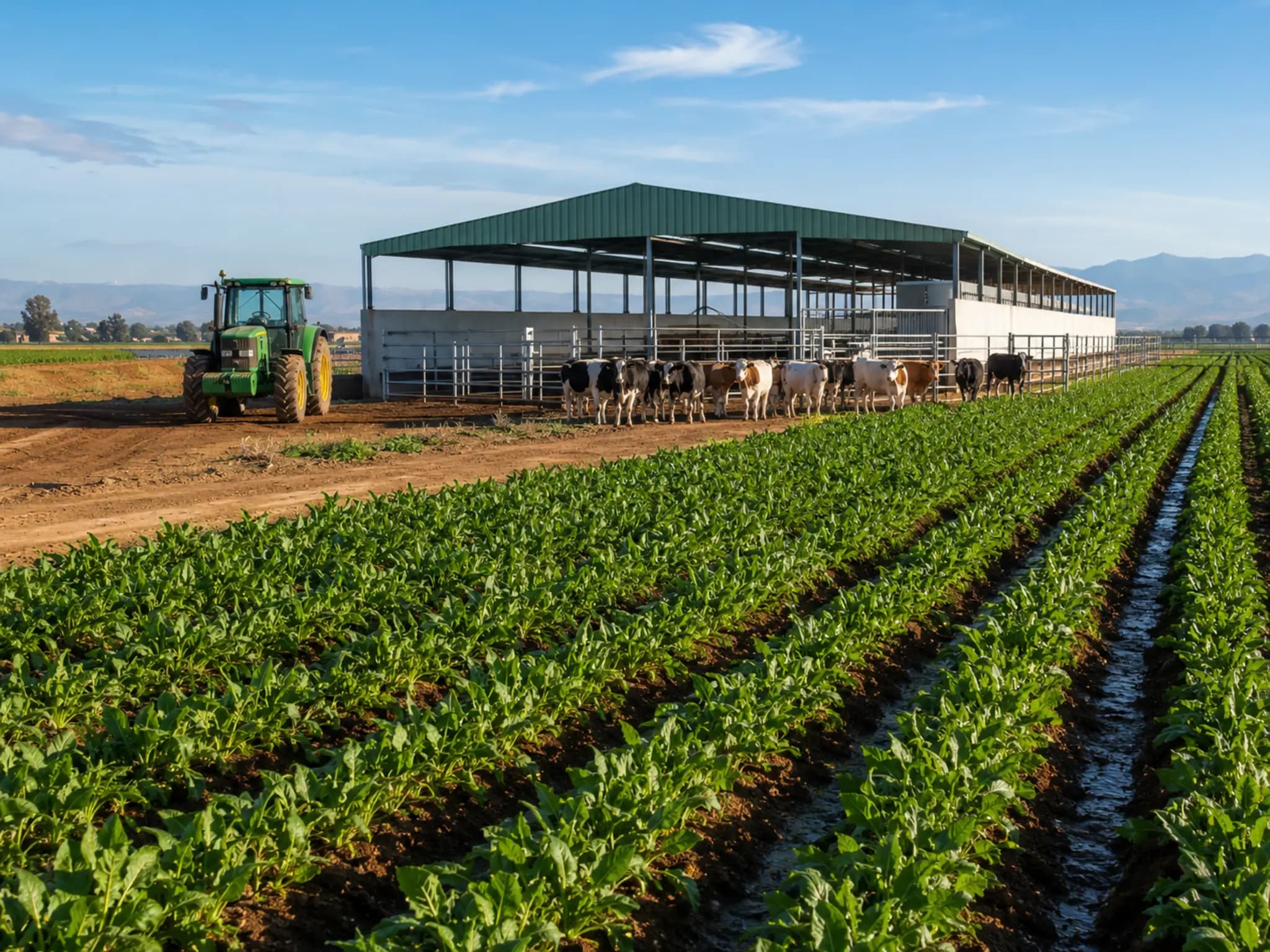
Plots, campaigns, field work, inputs, harvests and traceability.
Explore
Intake, batches, packing, quality, shipping and valuation.
Explore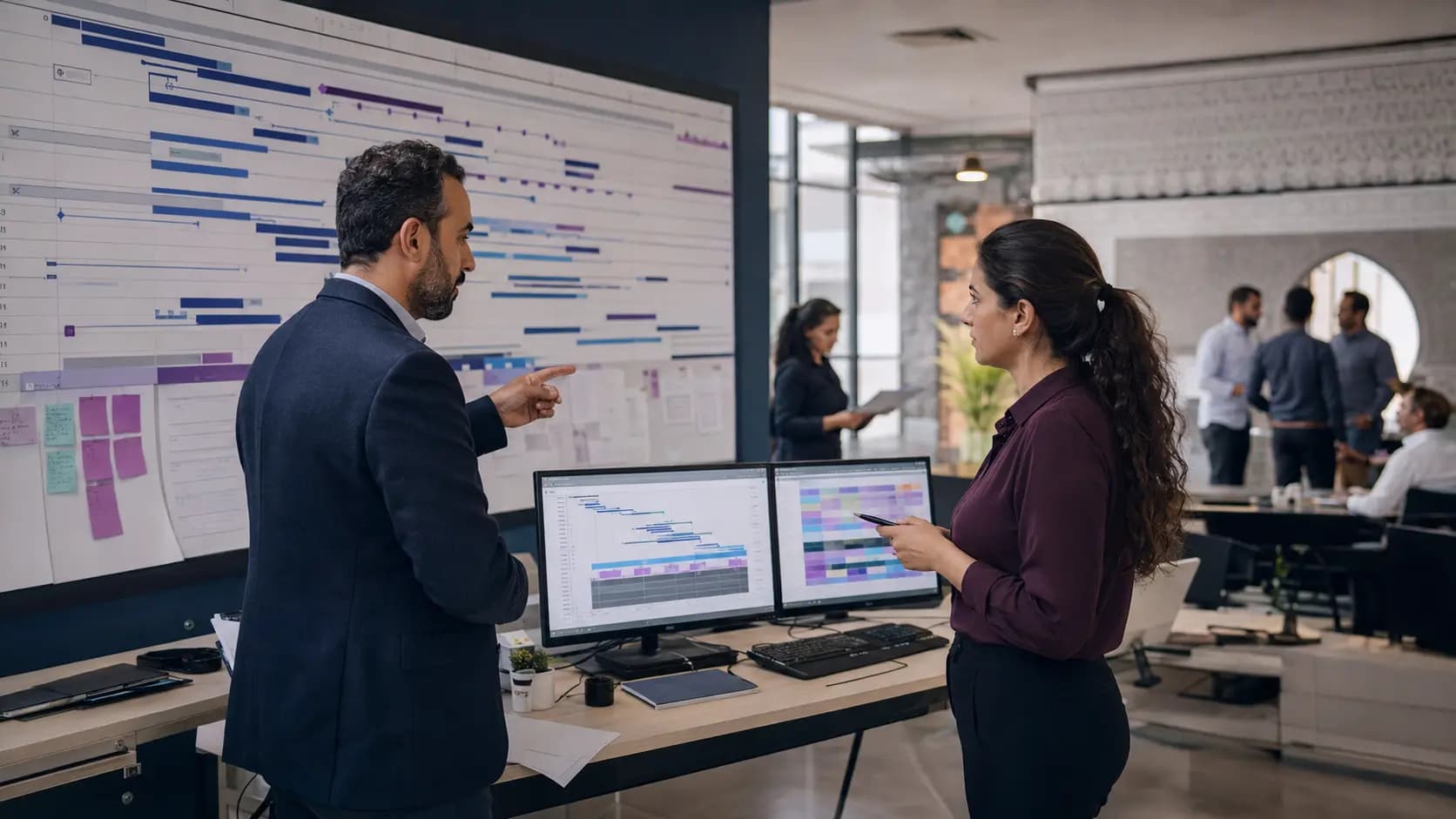
Service catalogue, projects, resources, Gantt, backlog, schedules, documents and dedicated management.
ExploreArchitecture & integrations
Scoping separates what ESSOR owns, what other systems execute and the events exchanged between them.
A controlled deployment
Understand processes, data and responsibilities.
Configure the edition for the validated scope.
Integrate the selected systems and master data.
Prepare teams through their actual journeys.
Measure, learn and extend methodically.
Resources
FAQ
No. ESSOR carries ERP continuity and management flows. Detailed scheduling and workshop execution remain separate with a third-party MES when required; B‑AGILE does not market a MES.
No. ESSOR carries requirements, orders, management movements and economic reading; PROTECH executes physical receipts, locations, movements and confirmations when selected.
No. Assets, plans, requests and maintenance work belong to OTILA. Events, downtime, parts and costs exchanged between the systems are scoped explicitly.
Yes. Diagnosis determines which responsibilities to retain, extend, integrate or replace before configuration.
Machines, teams, materials, inventory, disruption and progress must come from explicit source systems with known frequency, freshness and ownership.
Depth depends on materials, time, purchasing, subcontracting, work in progress, scrap, valuation and financial rules actually available.
It adds the industrial context: technical data, bills of material and routings within scope, planning, orders, consumption, actuals, quality, traceability and economic reading of the flow.
Both modes are available. The choice depends on sites, industrial networks, volumes, security, continuity and interfaces.
Your next step
Map the processes, data, responsibilities and first value scope.