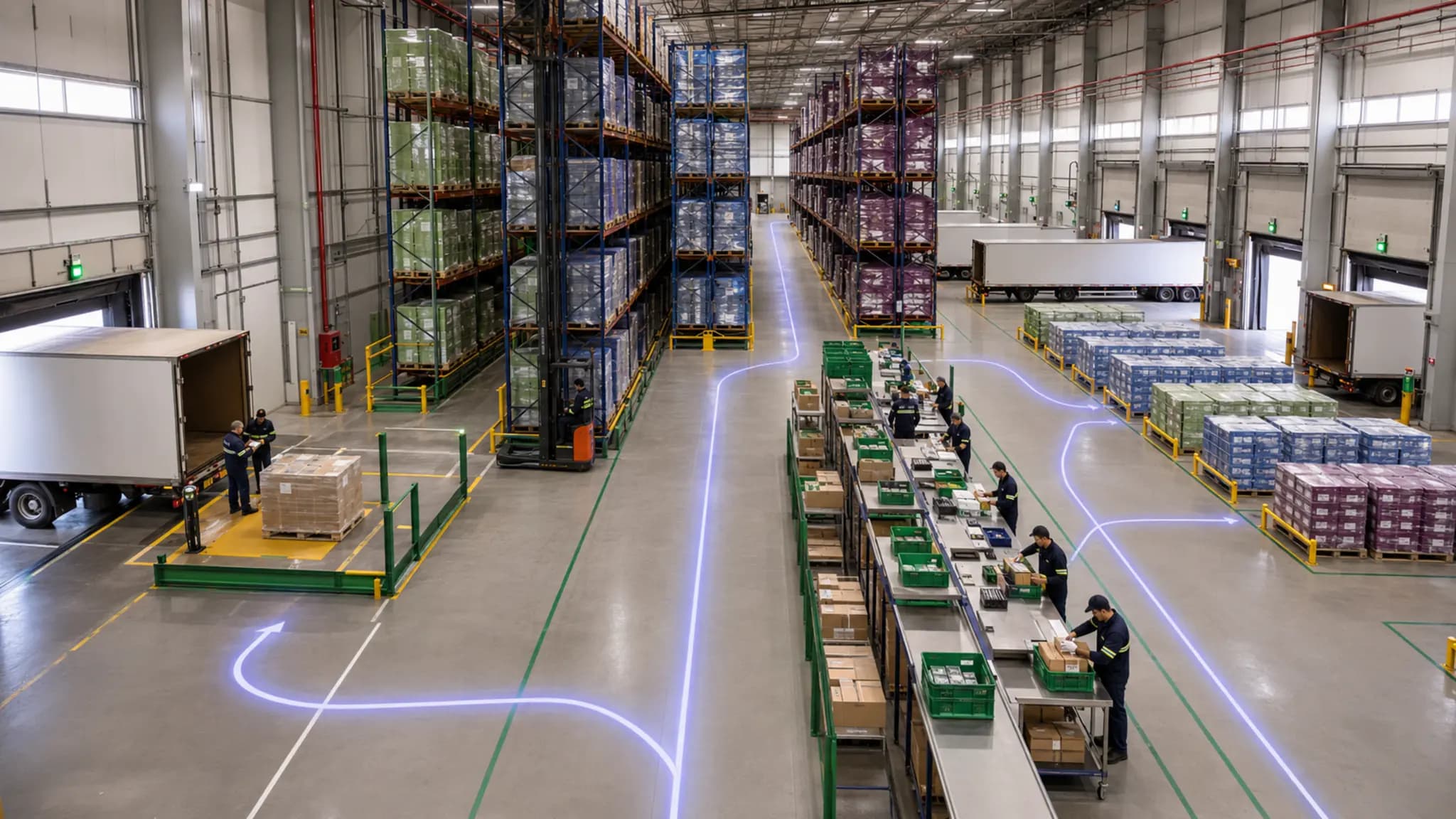
Multiple rule sets
Each customer brings its own priorities, documents and service levels.
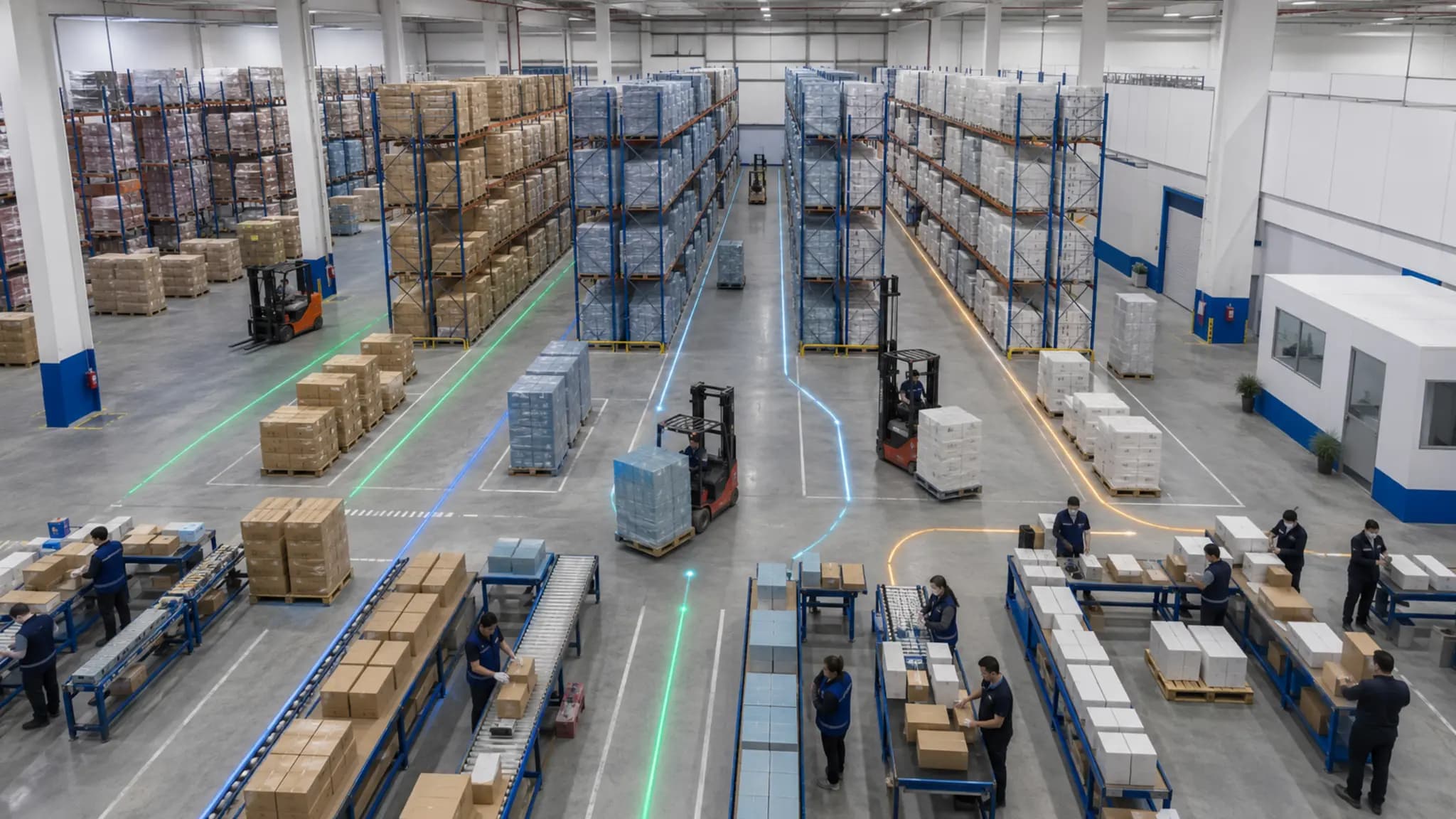
PROTECH WMS · 3PL
Separate owners, inventory, rules and commitments while sharing site resources.
Friction that consumes time
Each customer brings its own priorities, documents and service levels.
Ownership, statuses and movements must remain separated and traceable.
Chargeable operations are reconstructed after execution.
The operational thread
Concrete benefits
Share resources without mixing the inventory, rules, operations and commitments of each customer.



Operations lab
 Master data, rights and opening inventory reconciled
Situation
A new customer brings items, units, rules, documents and opening inventory.
Functional scope

Selected capability
Master data, inventory and rights separated by customer.
Information-system ownership
PROTECH WMS 3PL structures owners, contracts, rules, access rights and service events by customer. Teams, zones and equipment may remain shared where controls allow it.
Owns units, locations, statuses, tasks, controls and events actually executed.
Retains contracts, rates, taxation, approval and issuance in the responsible system.
Exposes only authorised inventory, orders, documents and indicators for the relevant customer.
PROTECH WMS family
Every card opens a dedicated page; no prohibited or unconfirmed scope is presented as an edition.

Multi-client execution, logistics contracts and pre-billing.
Current page
Internal flows, line-side supply, material traceability and ERP/MES continuity.
Explore
Omnichannel fulfilment, allocation, packing, shipping and returns.
Explore
Physical bonded-warehouse execution, locations and authorised movements.
ExploreIntegrations & ecosystem
Standard connectors, APIs, EDI or files are qualified by system, version, flow, frequency, security and recovery.
Controlled deployment
Flows, sites, roles and objectives
Master data, inventory and rules
Journeys, controls and rights
Interfaces, equipment and recovery
Acceptance on a real flow
Adoption, measurement and improvement
Insights & resources
Frequently asked questions
Yes, under the ownership, status, location and access rules configured for the scope.
Yes, once events and valuation rules are scoped with the relevant financial system.
Yes. Priorities, units, controls, packaging, documents, transport and service levels can reflect each contract and flow.
A portal can share orders, inventory, events, documents and indicators according to the rights and configured scope.
Yes. The model defines inventory, customers, local rules, transfers, rights and the consolidation level across warehouses.
Both modes are available. The choice depends on customers, sites, equipment, interfaces, security and operating commitments.
Your next step
Map the flows, data, responsibilities and first scope to take live.