Arrivals are hard to reconcile
References, units, containers and records do not always share the same identifiers.

PROTECH WMS · MEAD edition
Execute physical bonded-store operations without assigning authority decisions to the WMS.
Friction that consumes time
References, units, containers and records do not always share the same identifiers.
Location, block, reservation and instruction are reconstructed across systems.
Store execution must never be presented as a customs or regulatory decision.
Instruction, role, movement and evidence are difficult to review in one chronology.
The operational thread
Concrete benefits
The WMS connects the record, logistics unit, zone and movement; regulatory decisions remain with authorised parties.
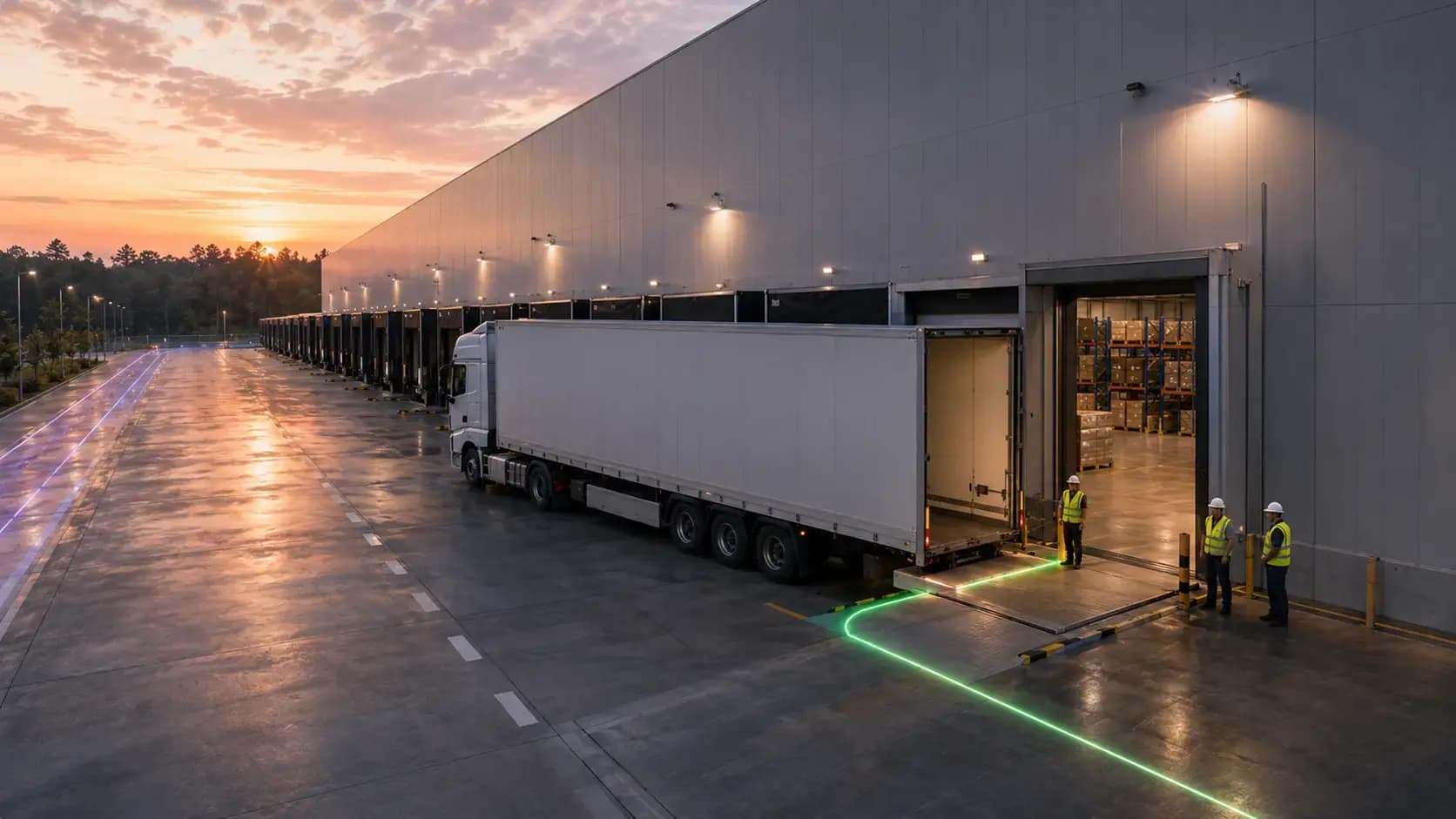

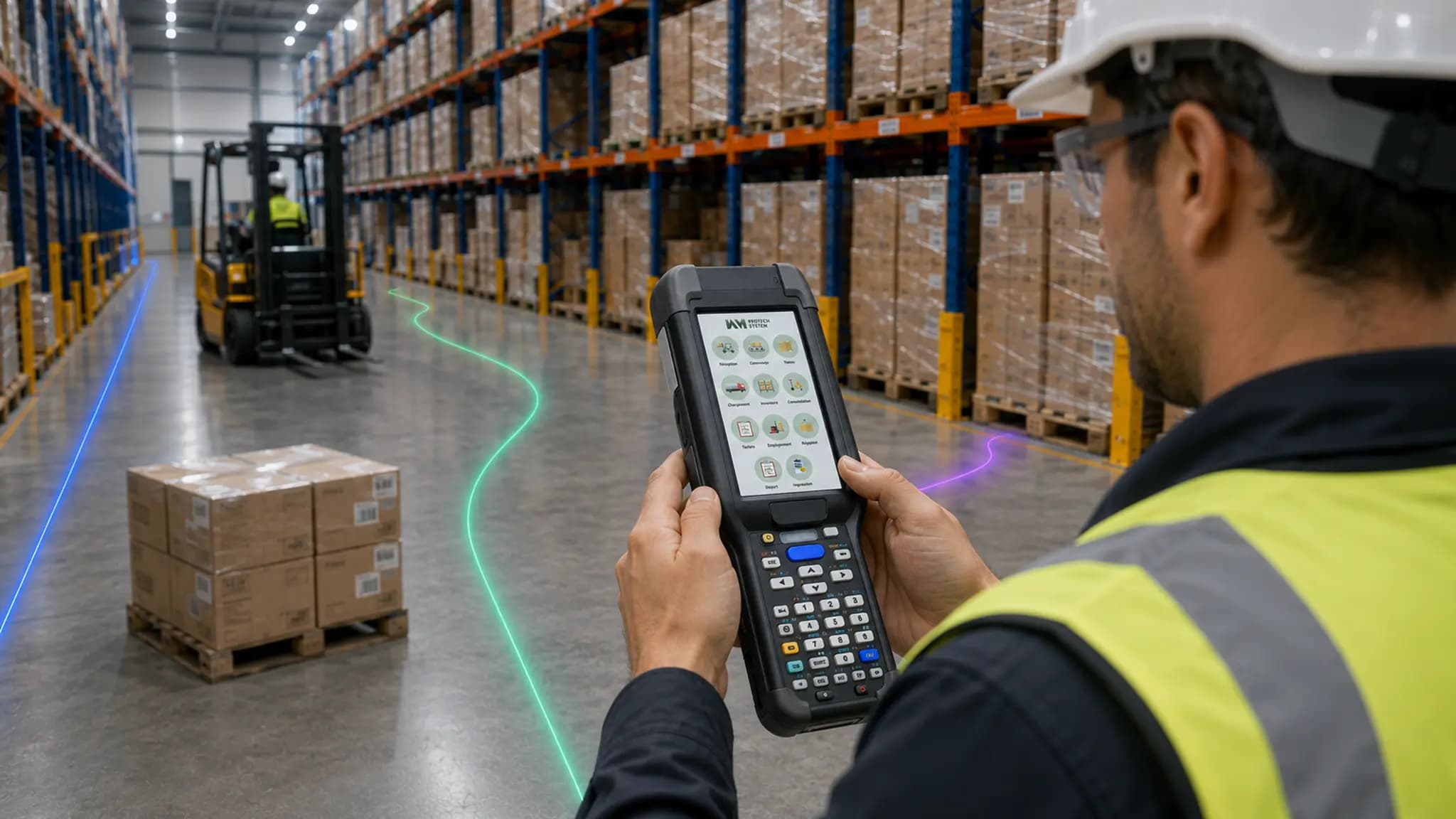
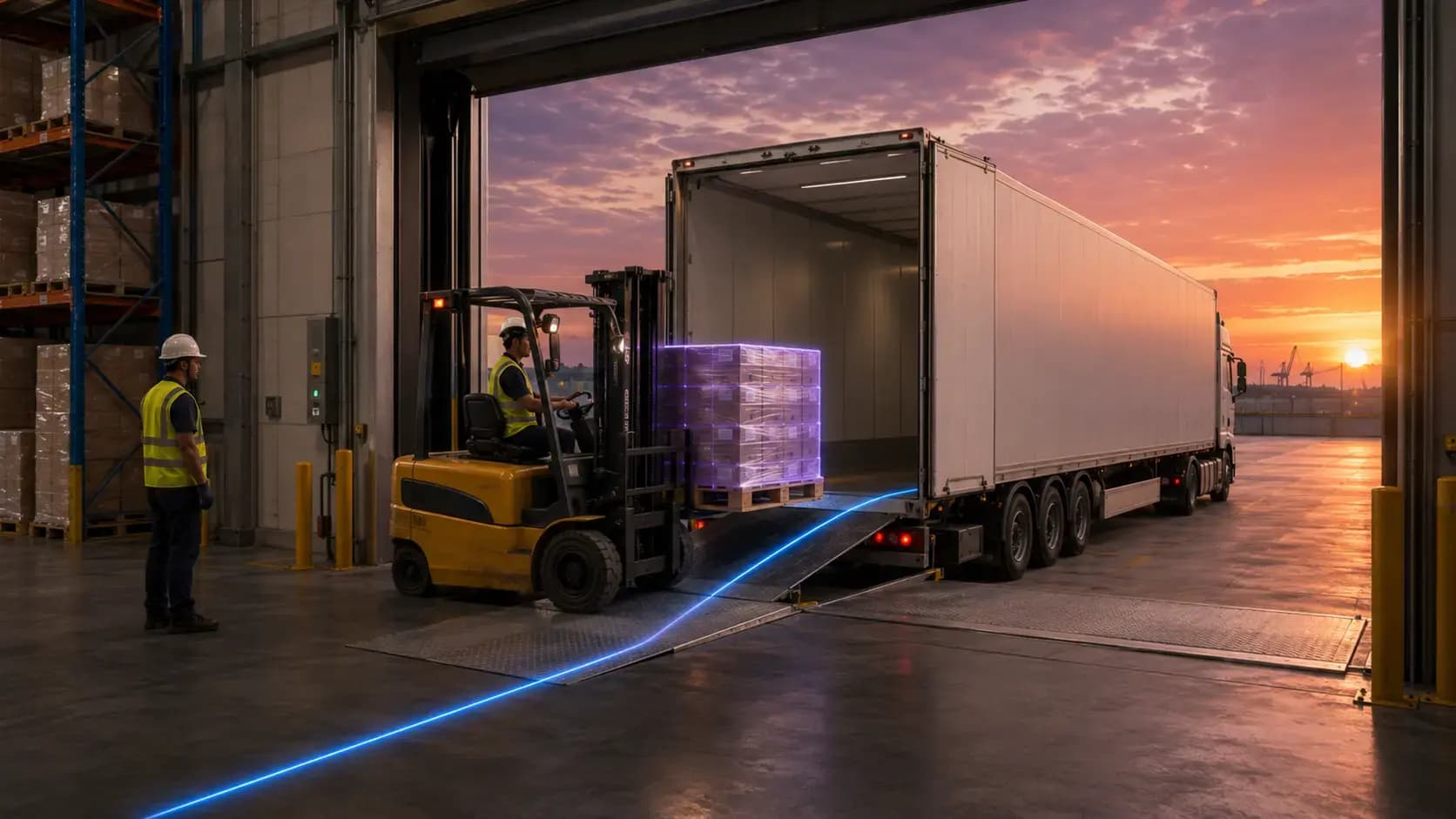
Review the external decision, received instruction, physical movement and available proof.
Explore the caseOperations lab
 Discrepancy, location and next action connected
Situation
A physical unit does not match the references available in the received record.
Functional scope
Selected capability
Arrival, unit, container, quantity, reference and first location.
Information-system ownership
PROTECH WMS MEAD connects record, unit, container, zone, status and movement. Customs and regulatory decisions remain with the responsible authorities and systems.
Locates units, guides movements and retains confirmations within the approved scope.
Structures parties, documents, milestones, services and costs for the transit or freight record.
Retain the decision, authorisation and requirements applicable to the relevant movement.
PROTECH WMS family
Every card opens a dedicated page; no prohibited or unconfirmed scope is presented as an edition.

Multi-client execution, logistics contracts and pre-billing.
Explore
Internal flows, line-side supply, material traceability and ERP/MES continuity.
Explore
Omnichannel fulfilment, allocation, packing, shipping and returns.
Explore
Physical bonded-warehouse execution, locations and authorised movements.
Current pageIntegrations & ecosystem
Standard connectors, APIs, EDI or files are qualified by system, version, flow, frequency, security and recovery.
Controlled deployment
Flows, sites, roles and objectives
Master data, inventory and rules
Journeys, controls and rights
Interfaces, equipment and recovery
Acceptance on a real flow
Adoption, measurement and improvement
Insights & resources
Frequently asked questions
Yes. It covers physical execution, locations, containers, statuses and movements within the qualified scope.
No. It executes and traces a received instruction; the decision remains with authorised authorities and parties.
PROTECH MEAD covers the store and its physical movements. ESSOR Freight structures the record, parties, milestones, documents, services and costs.
Standard connectors, APIs, EDI or files are selected according to source system, version, security, frequency and recovery process.
Terminals, scanners, printers and other equipment are validated by model, protocol, pilot, site and operation.
Both modes are available. The choice depends on site, network, equipment, interfaces, security and continuity.
Your next step
Map the flows, data, responsibilities and first scope to take live.