Unplanned downtime
Causes and recurrence are poorly consolidated.


OTILA CMMS · Industry
Structure criticality, preventive work, interventions, parts and causes without confusing CMMS, ERP, MES and WMS.
What weakens maintenance
Causes and recurrence are poorly consolidated.
Due dates do not always reflect workload and criticality.
The real requirement is discovered during the intervention.
Operational cycle
Concrete benefits
Every intervention enriches a usable history for better planning, diagnosis and equipment reliability.



Decision lab
 Impact, diagnosis and action linked to the same asset
Situation
The stoppage affects a line and several orders, but the cause is not yet confirmed.
Structured capabilities
Selected capability
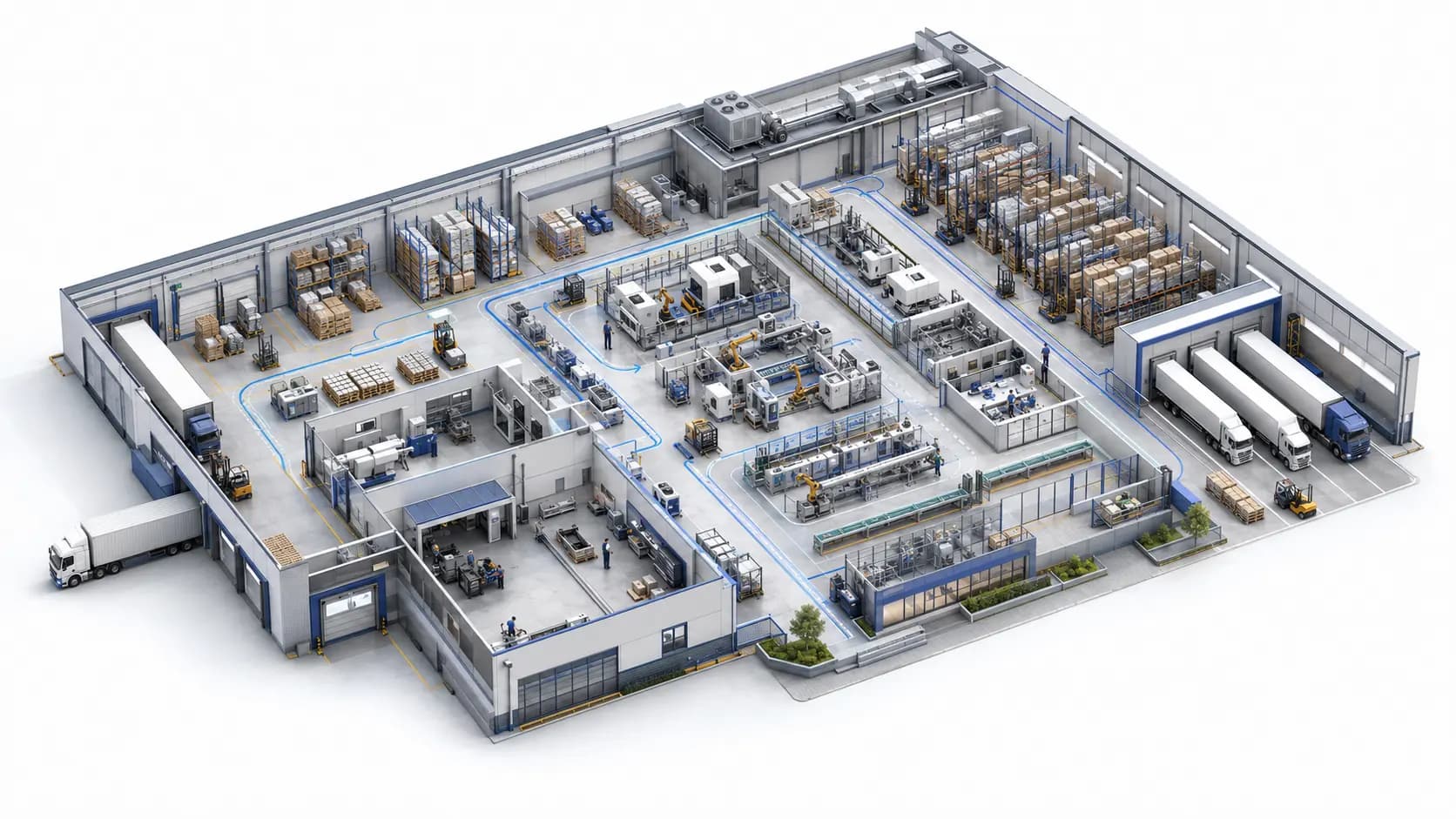
Sites, lines, equipment, subassemblies and documents.
Information-system architecture
The Industry context deepens criticality, line stoppages, MRO inventory and reliability. The two authorised offerings remain OTILA Internal Asset Management and OTILA Maintenance Services.
Owns assets, criticality, requests, plans, work, consumed parts, causes and history.
ERP owns purchasing and valuation; WMS executes physical movements and stocktakes when these systems are selected.
Provide orders, events, meters and useful statuses without automatically transferring responsibility to OTILA.
OTILA family
Choose according to who owns the assets and who performs the service. The Industry context deepens the need without creating another edition.

The maintenance foundation: assets, preventive and corrective work, work orders, parts and control.
Explore
For organisations maintaining their own buildings, installations and equipment.
Explore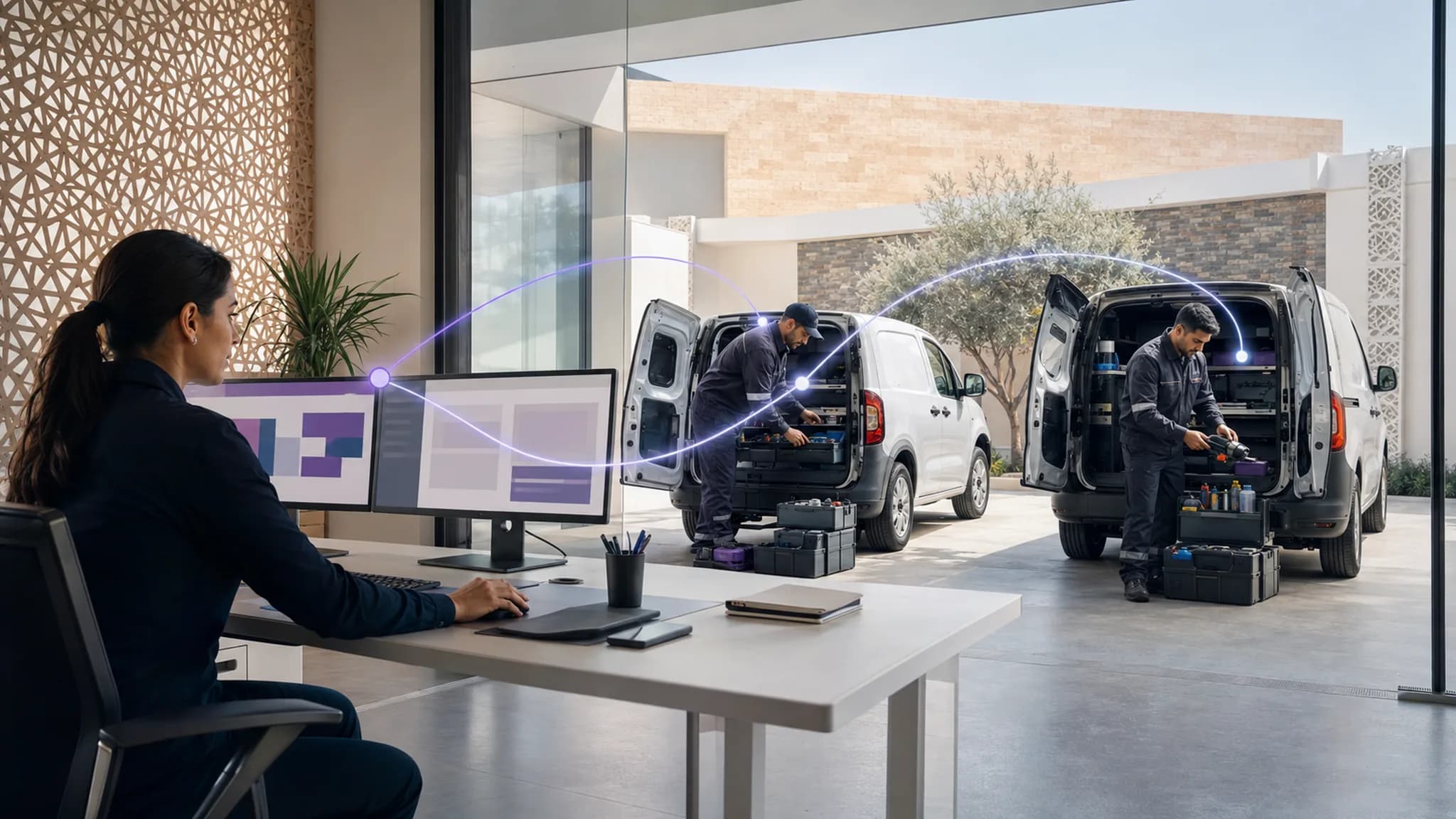
For providers managing contracts, dispatch, work, evidence and billable items.
Explore
A deeper industrial context for criticality, line maintenance, MRO inventory and reliability.
Current pageComplementary modules
Part orders, receipts, invoices and exchange statuses supervised across selected systems.
Explore the module02Quotations, contracts, rates, actual work, evidence and billable items for maintenance providers.
Explore the module03Sites, teams, subcontractors, equipment, consumables and off-site work.
Explore the moduleConnected ecosystem
Integration specifies system, version, data, frequency, rights, controls, supervision and recovery. Conceptual compatibility is never presented as a ready interface without validation.
Controlled deployment
Assets, objectives, ownership
Master data, task lists, parts
Statuses, rights, rules, evidence
Sources, interfaces, equipment
Scope, acceptance, adoption
Sites, assets, modules, improvement
Resources
Frequently asked questions
No. It structures maintenance and can exchange approved master data, purchasing, inventory or costs with the ERP.
Yes, if equipment master data, task lists and ownership are made reliable first.
Ownership of equipment, meters, events, work orders, downtime and costs is separated, then interfaced from the selected source system.
Your next step
Start from your assets, teams, data and real constraints to define a useful first cycle.