In an increasingly unstable economic environment, and in a global context marked by the need for agility, flexibility, responsiveness and competitiveness, every company must have the decision-making information required for effective and rational governance.
However, this ambition, which lies at the heart of every decision-maker's objectives, is not easy to achieve and can seem like a real headache for some. Even when companies give themselves the means to introduce digital aspects into the management of their activities in order to achieve this objective, the outcome can prove to be a genuine fiasco:
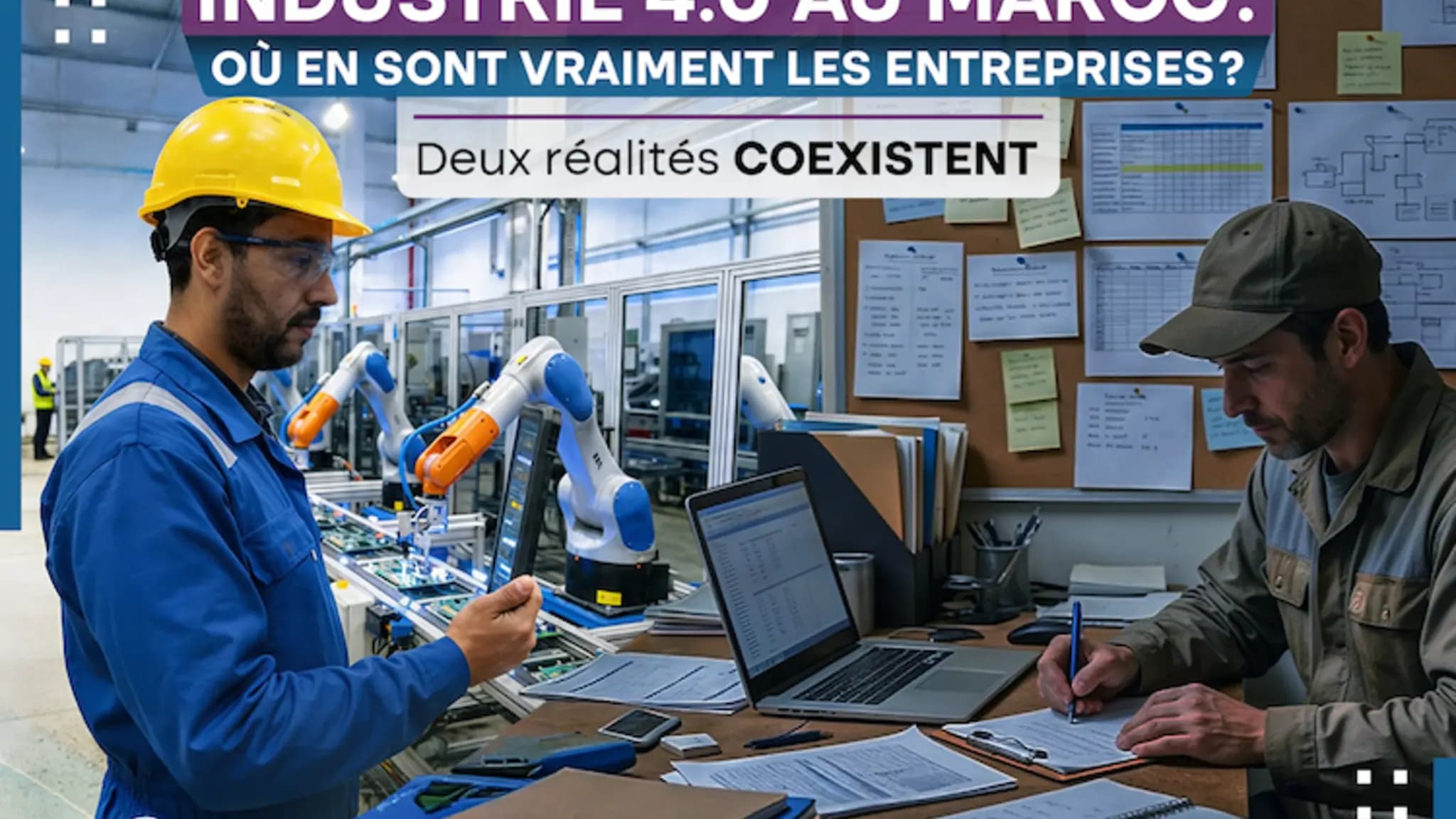
- An operating approach that is completely disconnected from the processes made available in the information system,
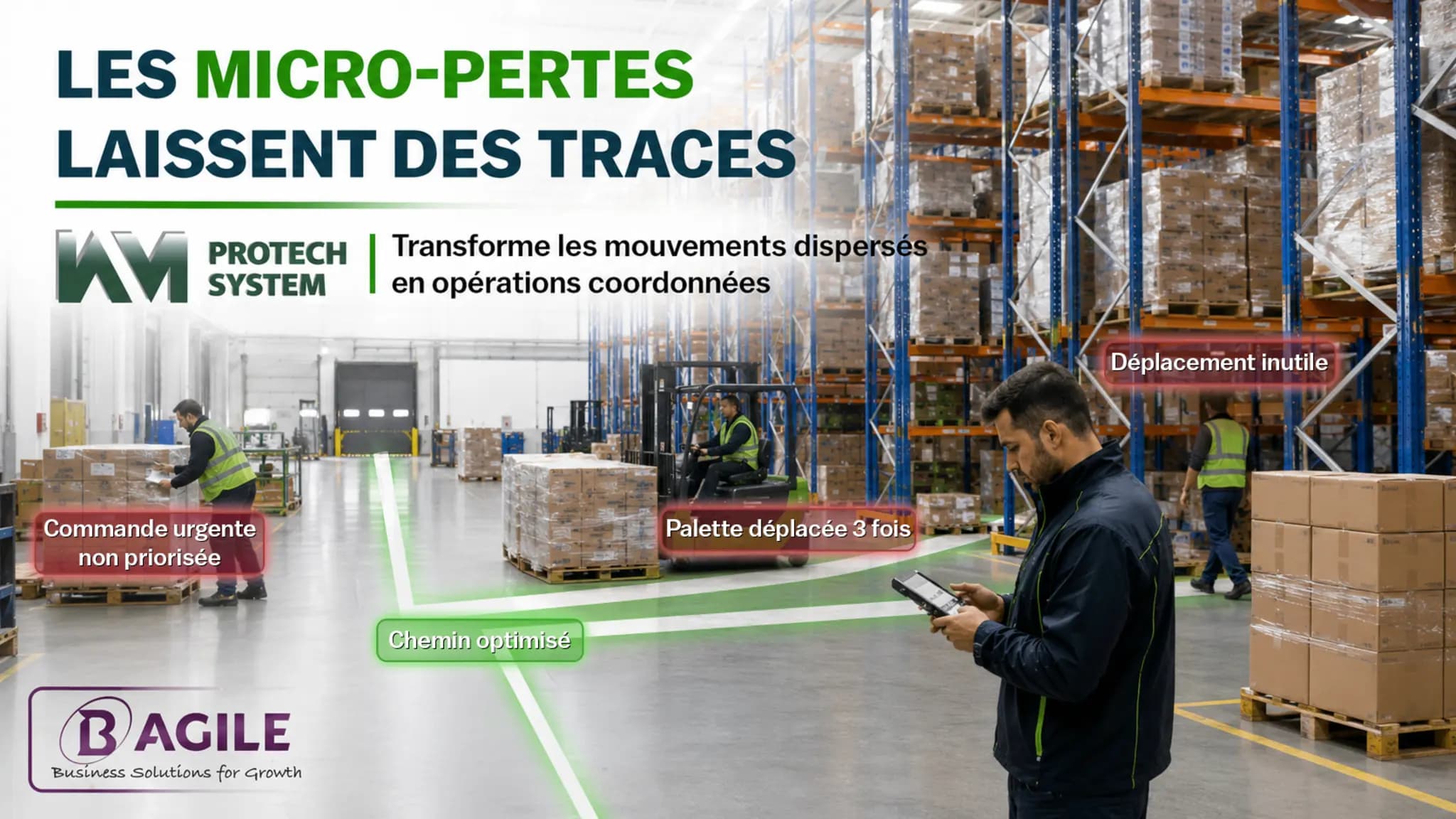
- Procedural discrepancies generated at the operational level that can only be detected once the data has been entered into the information system and may create disputes with partners (customers, suppliers, carriers, etc.),
- Redundant data-entry tasks, creating additional work for operational teams (paper-based tracking in addition to system data-entry requirements),
- Additional human resources needed to absorb the workload required for entering data into the information system and coordinating between manual work performed in the field and work performed in the information system.
- Unreliable decision-making because computerised data is not entered in real time (industrial cost price, customer/supplier position, inventory status, etc.),
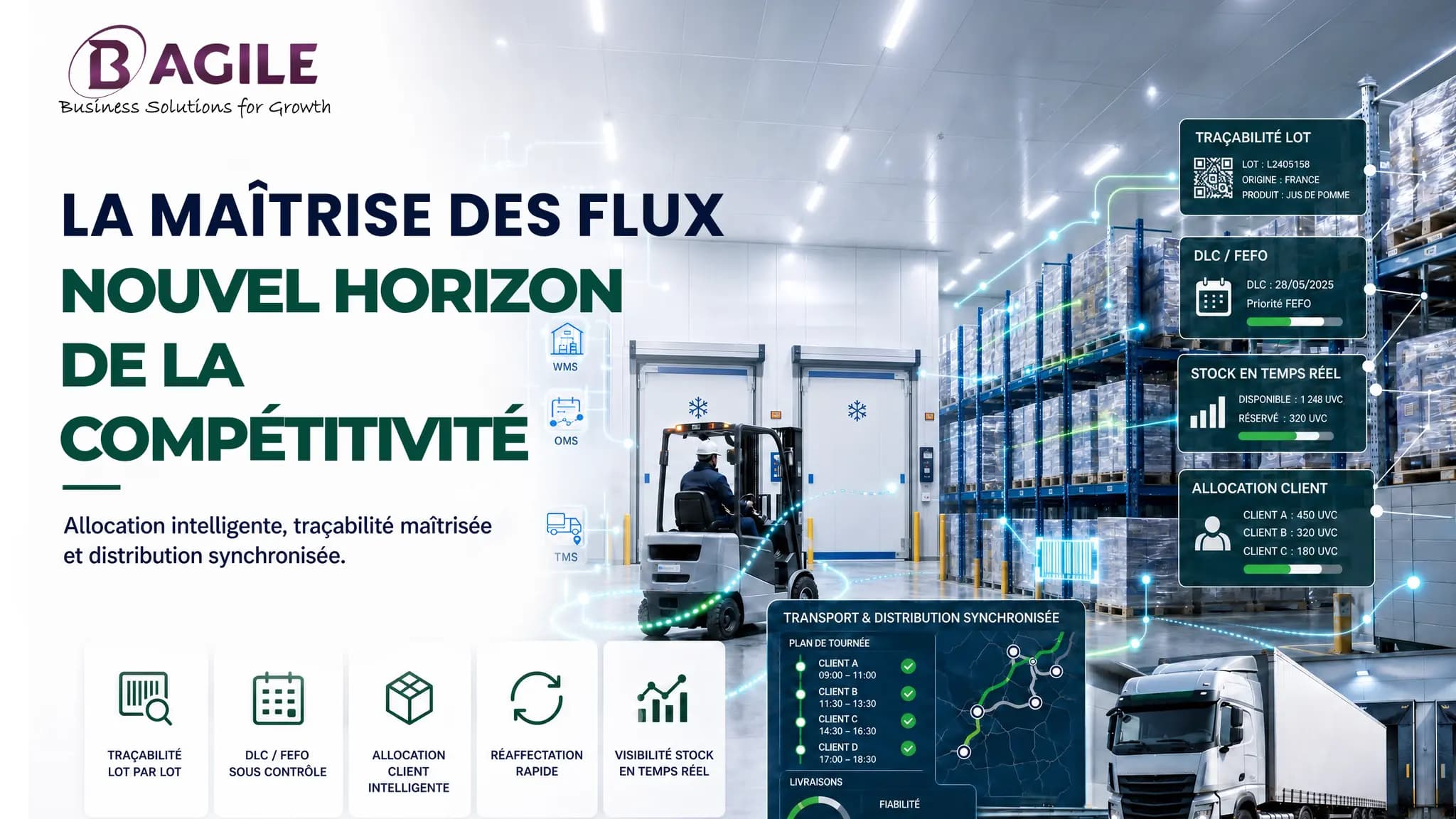
- Risks of inventory loss due to failure to follow FIFO/FEFO, leading to stock expiry; a lack of real-time inventory control, creating risks of theft, customer dissatisfaction and excess stock; and a lack of visibility into schedules and thresholds, which can lead to suppliers stopping deliveries or to a risk of customer limits being exceeded, etc.
The question is: "What types of solutions are needed for TRUE real-time management and visibility?"
End-to-end visibility across all activities is a considerable challenge for companies with a conventional operating model, and it is virtually impossible to achieve manually. The only way to meet this challenge is to use digitalisation and software solutions suited to the company's needs and business-specific requirements.
For operational management, a company that wants real-time information must first define its workflows as they actually exist in the field, adding software value at workstations and thereby enabling overall management of business processes: access to the information required to perform tasks, intuitive and guided functions, centralised management rules, etc.
In addition, the nature of certain functions within the company requires mobile tools that enable responsiveness and continuous collaboration, even while travelling.
In conclusion, digitalisation does not merely mean having a database and a history; above all, it means equipping managers with analysis and decision-making tools so they can make the right decisions at the right time. Notification systems are often made available to provide alerts and therefore anticipate certain problems that could generate substantial unnecessary costs for the company.
Investing in a solution is not merely a matter of its direct acquisition cost, but rather a project to transform how the company manages and collaborates as a whole.
This type of investment should define expected impacts, a comparison baseline and decision criteria. External support can be considered when the necessary skills are not available internally.