
Variable arrivals
Actual volumes and priorities may emerge after the first plan has been built.
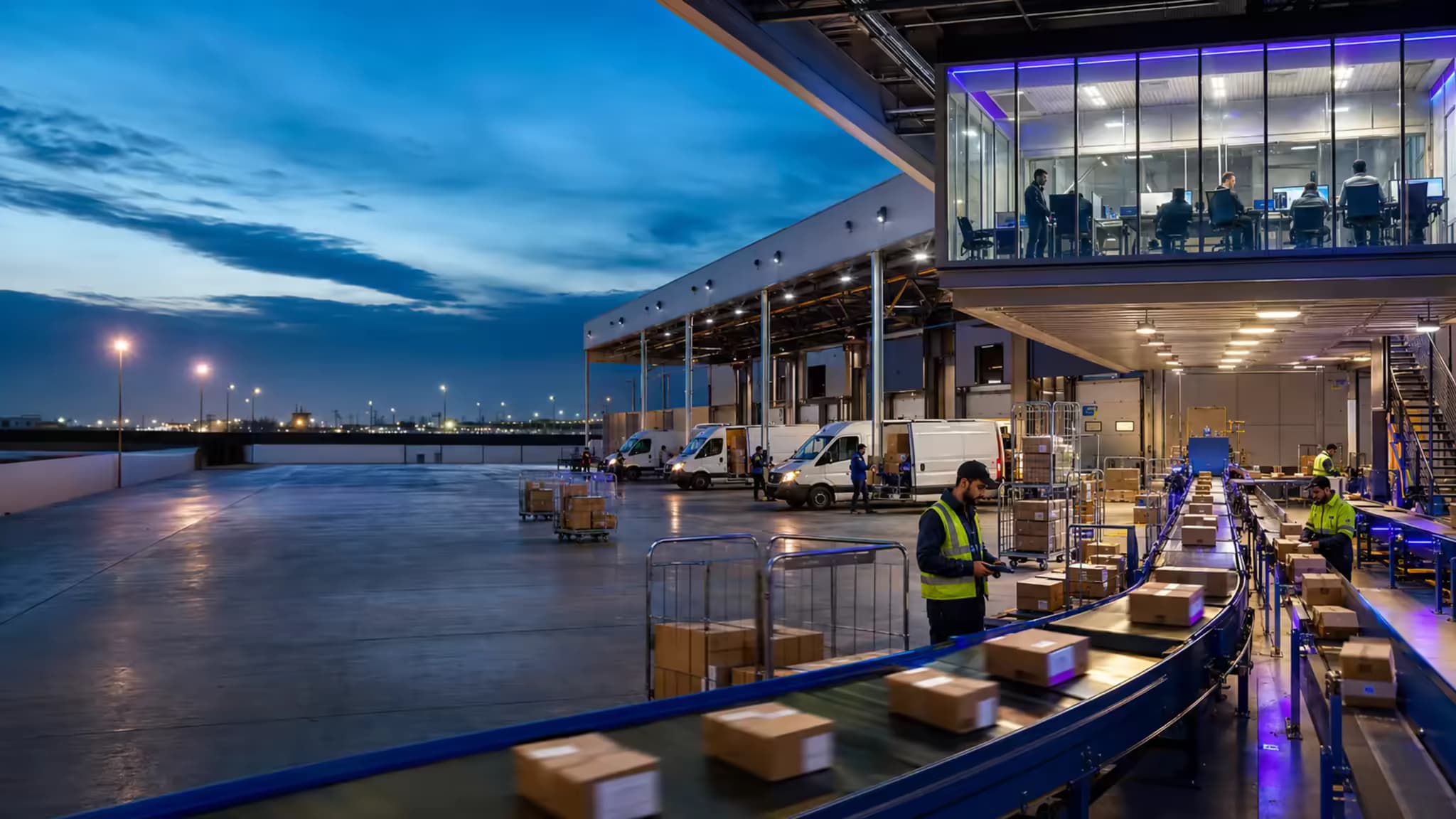

CANDOR TMS · Parcel operations module
Connect collection, sorting, consolidation, distribution, evidence and returns in one timeline, without creating a third CANDOR edition.
Parcel operations extend CANDOR TMS: they are neither a standalone solution nor a third edition beside Shipper and Carrier.
Product positioning
The organisation’s actual role determines the edition. Parcel operations add parcel, collection, consolidation and distribution context to the selected CANDOR foundation.

Centralise demand, build service rules, allocate partners and control evidence, costs and commitments.
Explore this edition
Compose collection, sorting, routes and distribution with your depots, drivers, vehicles, subcontractors and billing rules.
Explore this editionOperational pressure
Actual volumes and priorities may emerge after the first plan has been built.
A dock, route or status error can make investigation longer than corrective action.
Capacity, time windows, traffic, absences and failed deliveries require visible trade-offs.
A missing signature, reservation or status update weakens service and financial control.
End-to-end parcel flow
Each hand-off turns a physical unit into an actionable event, with an identified responsibility and next action.
Decision lab
The lab does not promise an automatic decision: it shows the facts to reconcile, the trade-off to make and the evidence to retain.
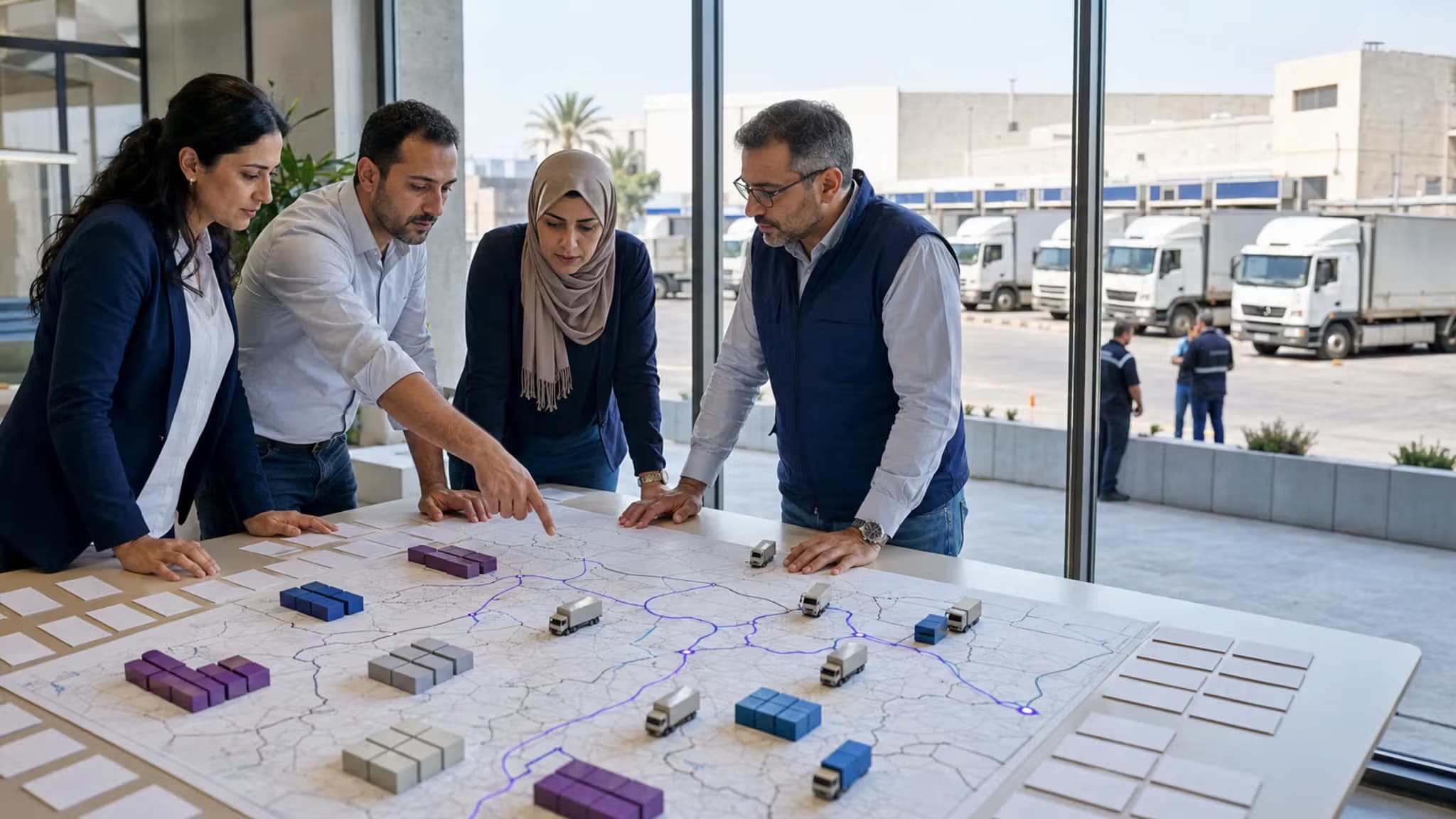 Selected option, reason, approval and affected parcels
The parcels are qualified, but their volume and commitments change the capacity of routes already built.
Reopen a route, create an additional departure or postpone under validated priority rules.
Selected option, reason, approval and affected parcels
Module capabilities
Each capability is activated, configured and connected to the Shipper or Carrier edition selected during scoping.

Selected capability
Structure units, formats, weights, volumes, services, priorities, destinations and useful flow constraints.
Data qualified before planningSystem responsibilities
CANDOR composes the mission and its events. Source systems retain their own truth: commercial order, physical inventory, identity, telematics and accounting.
Connected architecture
CANDOR composes the mission and its events. Source systems retain their own truth: commercial order, physical inventory, identity, telematics and accounting.
Source, frequency, version and recovery are defined flow by flow.Controlled deployment
Volumes, services, actors, sites and constraints
Scans, statuses, responsibilities and exceptions
Reference data, orders, mobility and interfaces
Sorting, routes, rights, evidence and alerts
A representative collection-distribution loop
Depots, services, partners and improvement
Resources and methods

Position Parcel Operations within the CANDOR foundation and its two business editions.
Download the brochure
Identifiers, events, evidence and responsibilities to clarify.
Explore guides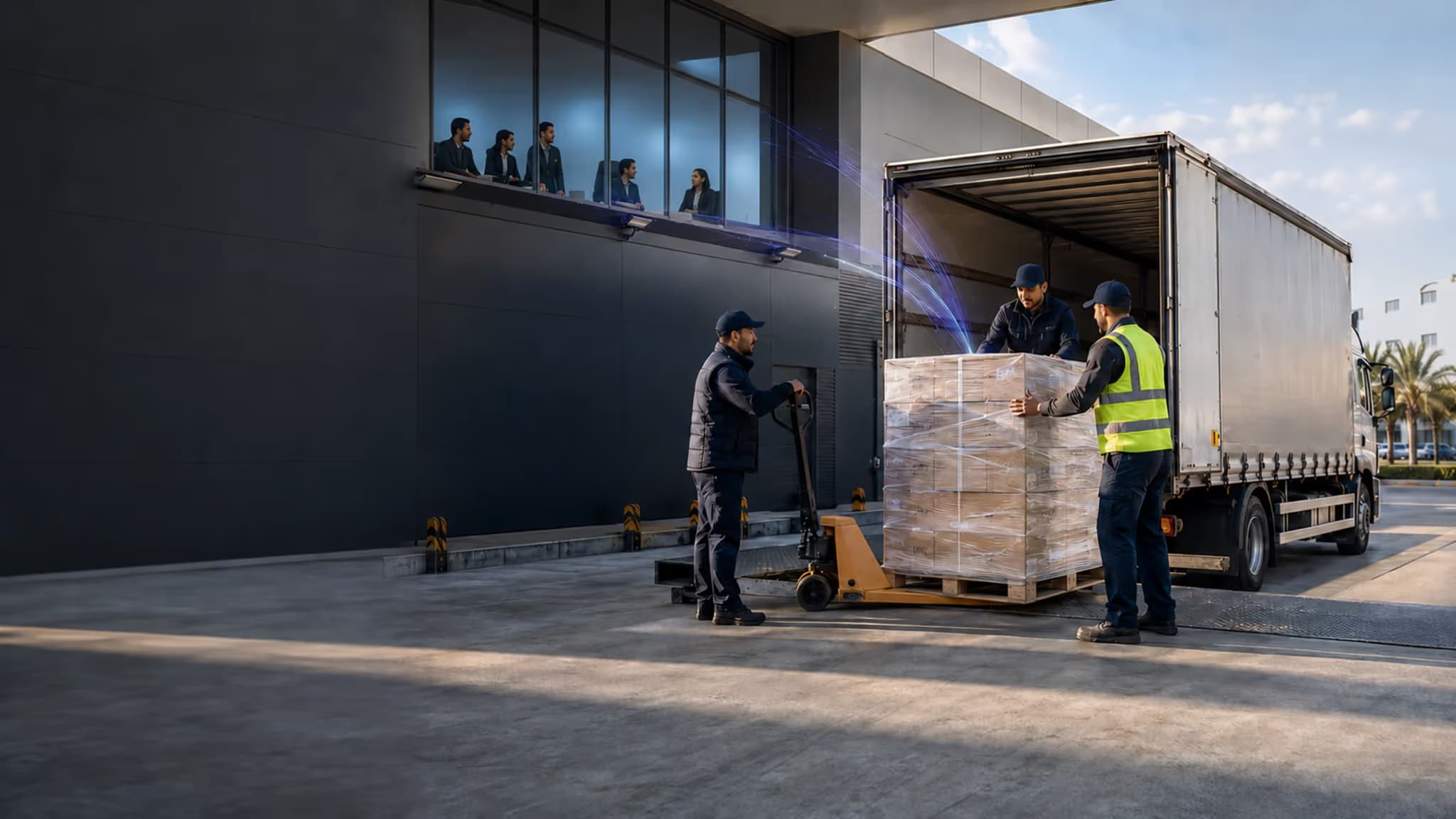
Understand boundaries between WMS, TMS, mobility and finance.
Explore cases
Build useful visibility without confusing signal and decision.
Explore webinarsFrequently asked questions
No. Parcel Operations is a CANDOR TMS module. It extends the Shipper or Carrier edition determined by the organisation’s actual role.
No. The two organisational editions remain Shipper and Carrier. Parcel context is composed within the relevant edition.
Scoping examines who owns demand, planning, execution, resources, subcontracting, evidence and billing.
The exact scope depends on confirmed services, volumes, sites, actors, equipment, interfaces and rules. Universal coverage is not assumed.
Yes through available standard connectors, APIs, EDI or files, with a source of truth, version, frequency and recovery procedure defined for each flow.
Scans, mobility statuses, telematics, portals and interfaces can contribute after their meaning, quality, timestamp, priority and distribution rights are validated.
A pilot limits scope to one depot, one service, one complete loop, a representative volume and recovery procedures before extension.
Your next step
Start with one depot, one service, its events and exceptions to build a useful, verifiable Parcel Operations scope.